
The Payphone at Red Rock Canyon
I went on a hike this weekend with my girlfriend and made the decision to leave my phone behind. It felt like a small but deliberate challenge. Not a rule, just an experiment. I was curious what it would be like to move through a place without the option to check, capture, or engage.
The hike itself was striking. Red Rock Canyon opened up in wide stretches of rust-colored stone and green brush, the rock faces catching the light at different angles as we moved. Without a phone in my pocket, I lingered longer with the views. There was no urge to frame them, only to stand and take them in.
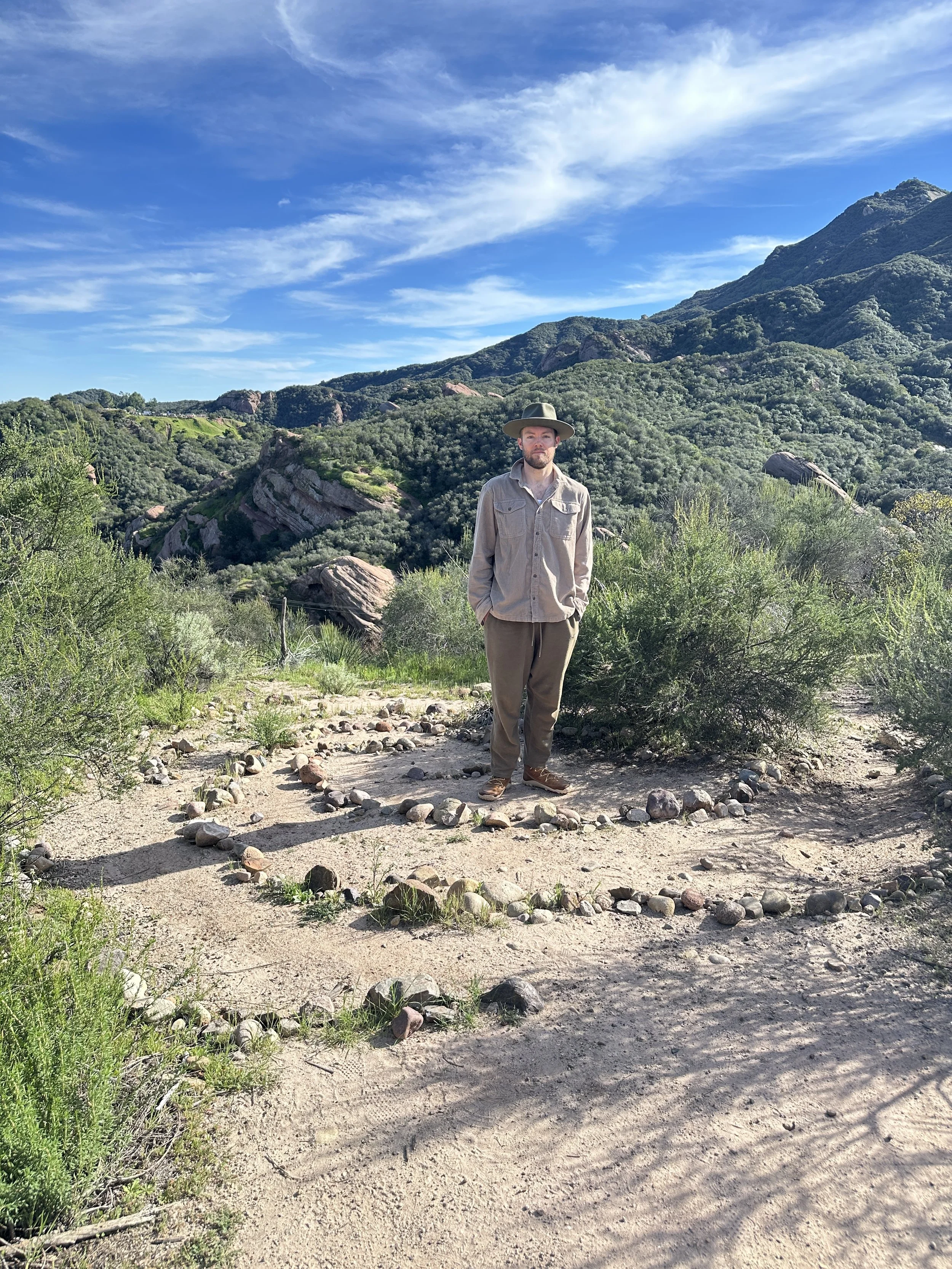
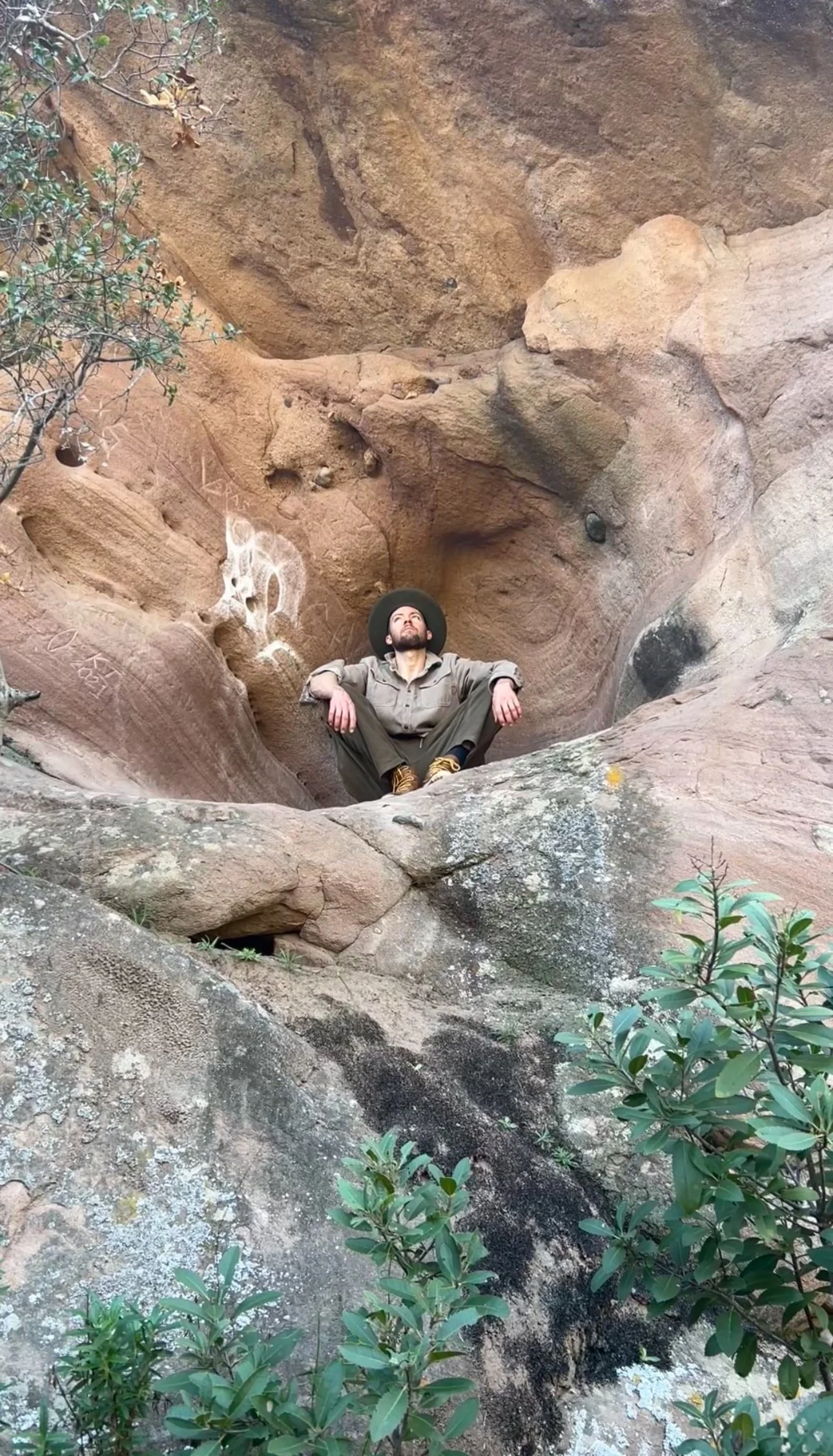
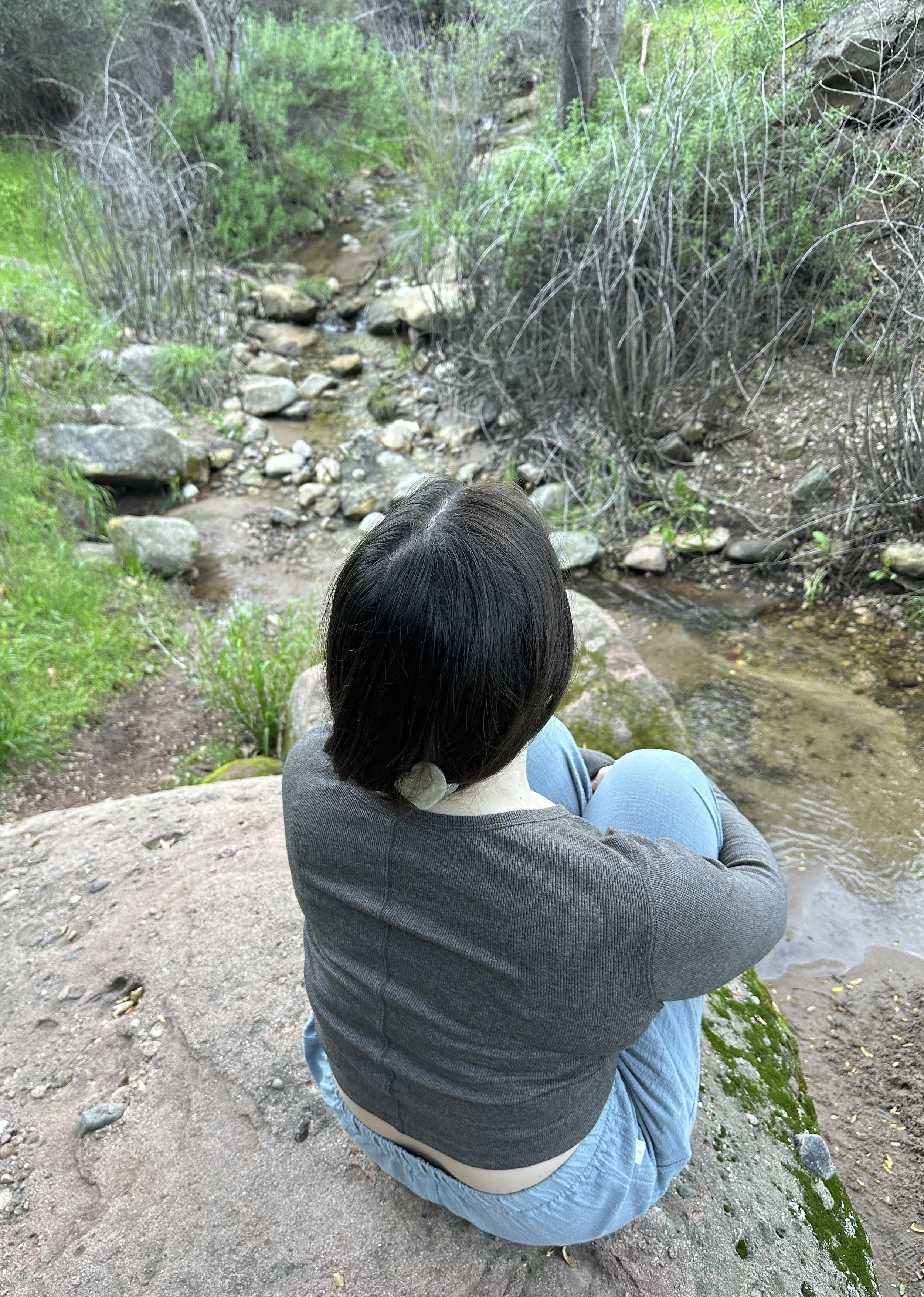
Along the way, we encountered three places that slowed us naturally. First, a tall red rock wall that we climbed to reach a sweeping overlook. Later, a small labyrinth etched into the ground, which we walked quietly and without speaking. Near the end, we sat on a large flat rock beside the stream and rested there, listening to the water move around us.
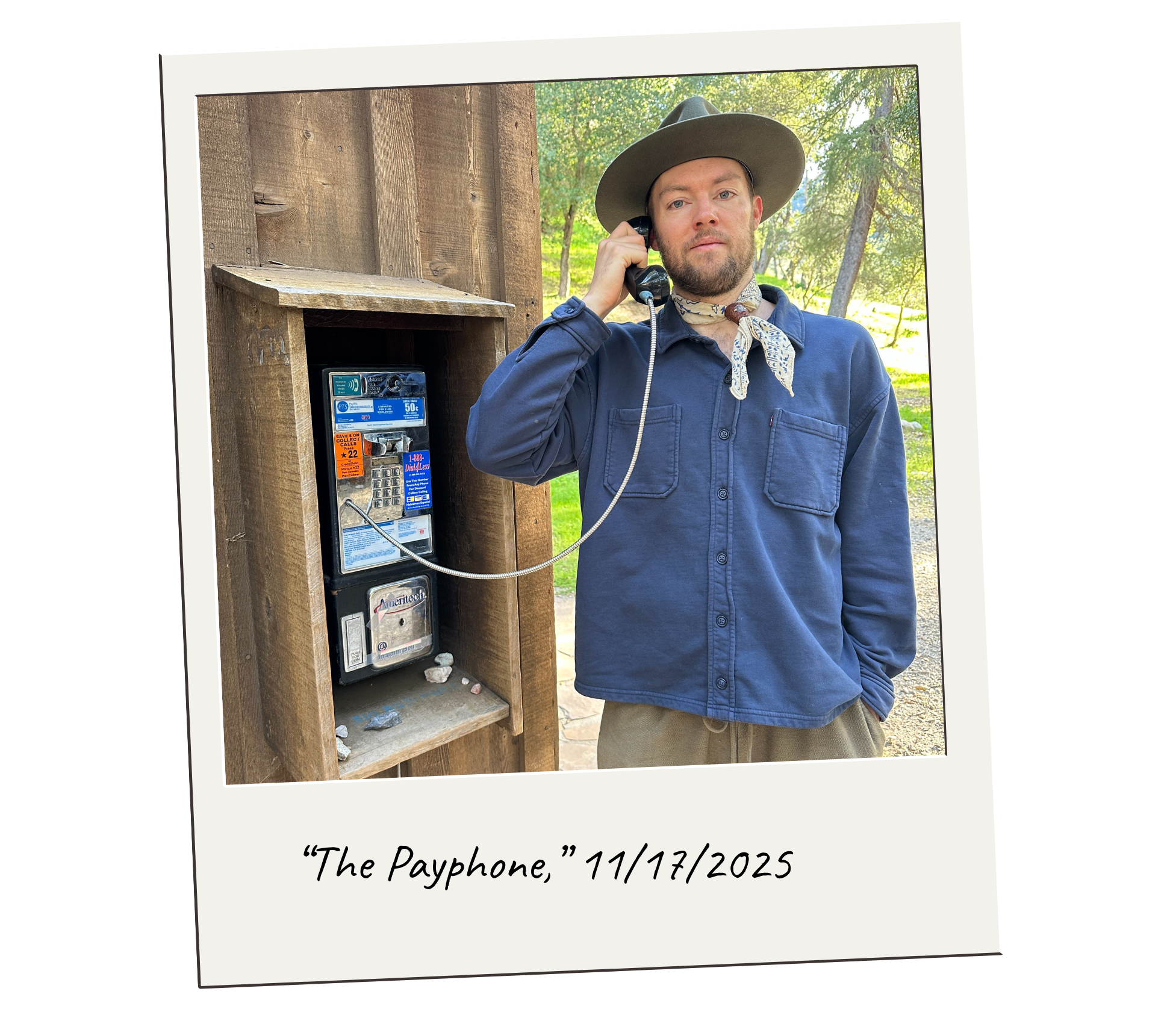
At the very end of the trail, we came across something unexpected: an old payphone standing alone in a wooden frame. I picked up the receiver out of curiosity. There was no dial tone. The phone was intact, but silent.
Leaving my phone behind turned the walk itself into a kind of meditation. Without the constant option of checking out, my attention stayed with what was happening around me. The trail did not compete with anything else. Nature did not need to be balanced against a screen.
Without notifications or the subtle pull of a device, I noticed how much more time I spent observing. I watched light move across rock. I noticed changes in elevation and texture underfoot. The environment became something I was inside of, rather than passing through.
Each of the three encounters along the trail registered more clearly in my body. Climbing the rock wall brought effort and balance into focus. Walking the labyrinth slowed my pace and sharpened my attention. Sitting by the stream grounded me in sound and stillness. These moments were felt, not analyzed.
The payphone, in contrast, felt symbolic without trying to be. It suggested that connection does not require constant access or digital mediation. Standing there, unreachable by design, I felt no sense of loss. If anything, the absence of a signal made the connection to the place, the moment, and the company I was with feel more complete.
If this reflection resonates, The Journey Through Meditation ebook offers a grounded way to explore presence in everyday life, including practices that integrate attention, movement, and time in nature. It’s designed to support consistency without pressure or performance. Grab your copy here.
