
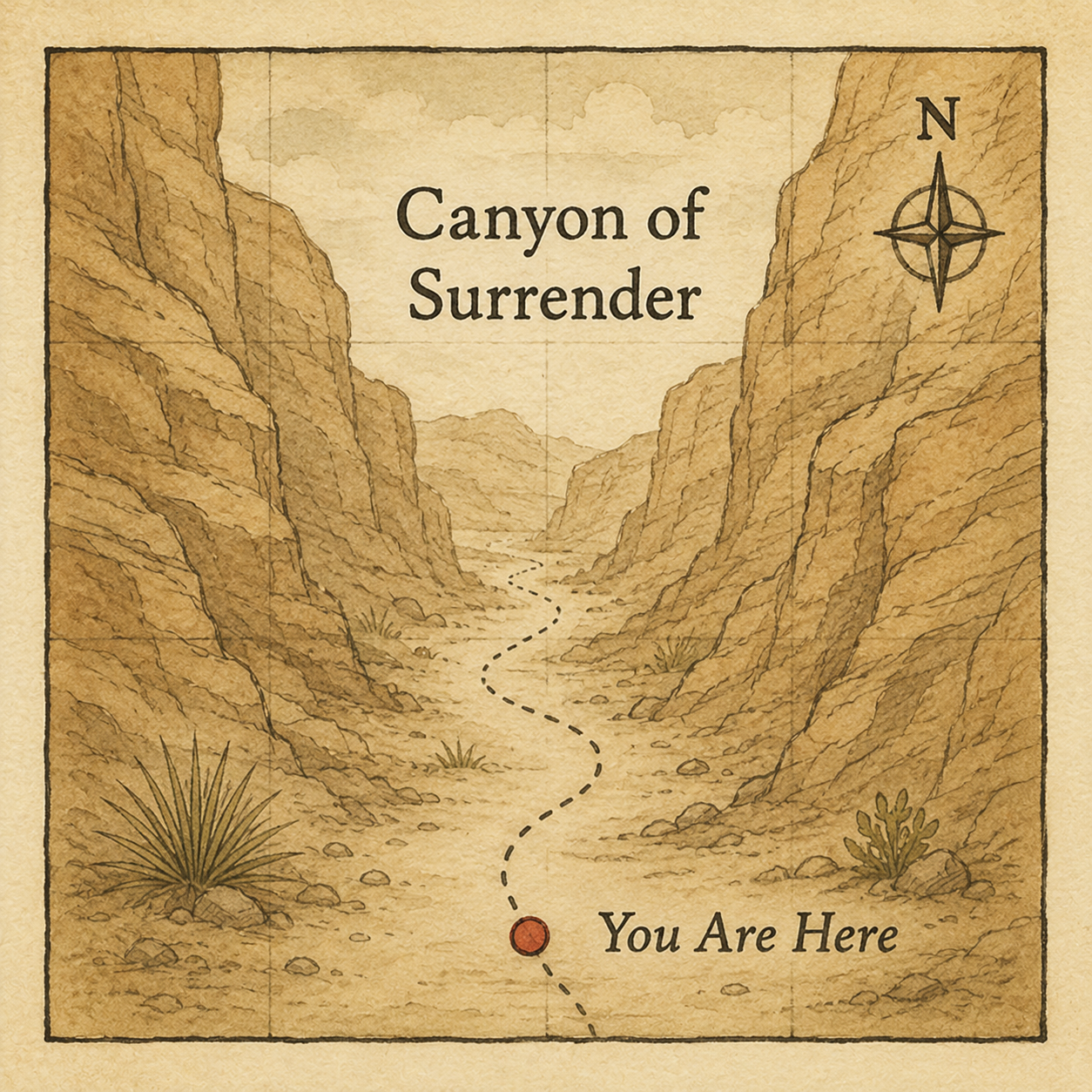
Inner Map: Canyon of Surrender
In meditation, much of the difficulty comes not only from what is happening, but from the fight against it. This stage explores surrender as a grounded practice: not collapse, not defeat, but the release of the extra struggle.
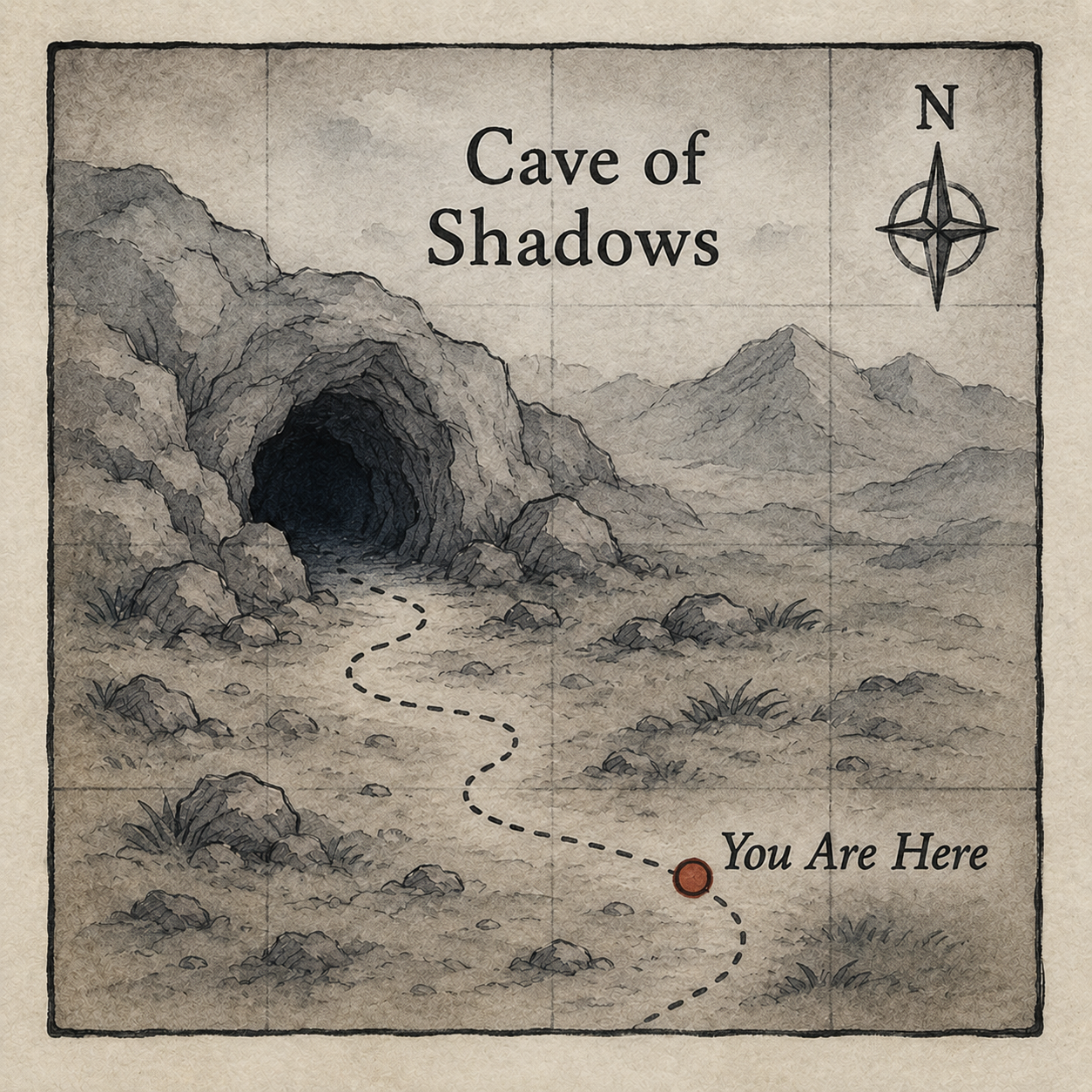
Inner Map: Cave of Shadows
In meditation, old emotions, resistance, or avoided parts of experience may become more noticeable. This stage explores how to stay present with discomfort without forcing understanding. The cave is not a punishment. It is a place where the eyes slowly adjust.
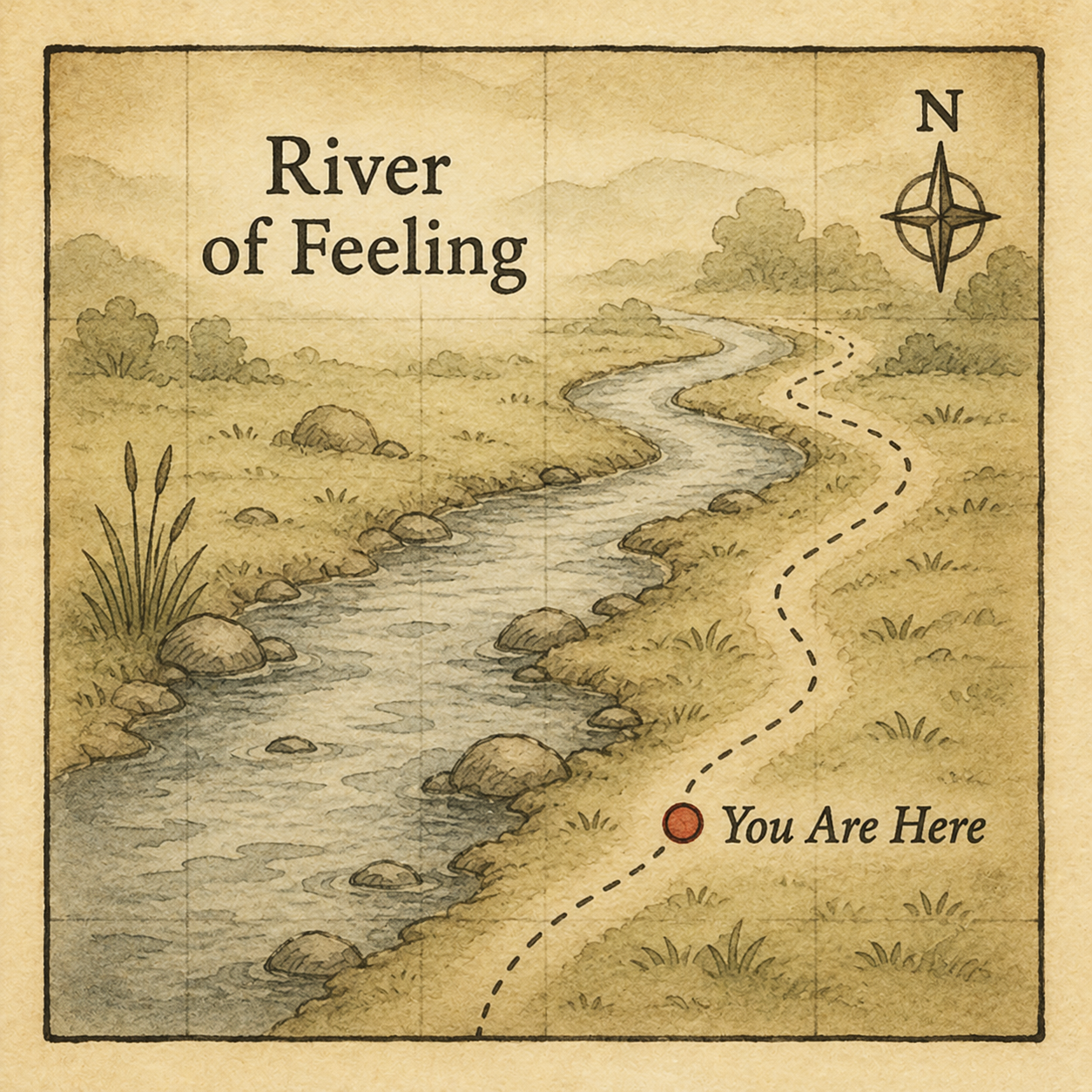
Inner Map: River of Feeling
Emotion begins to move. Sadness, irritation, tenderness, grief, or relief may rise without warning. This stage invites you to meet feelings as movement rather than problems to solve. Like water passing between stones, emotions often soften when they are allowed to flow.
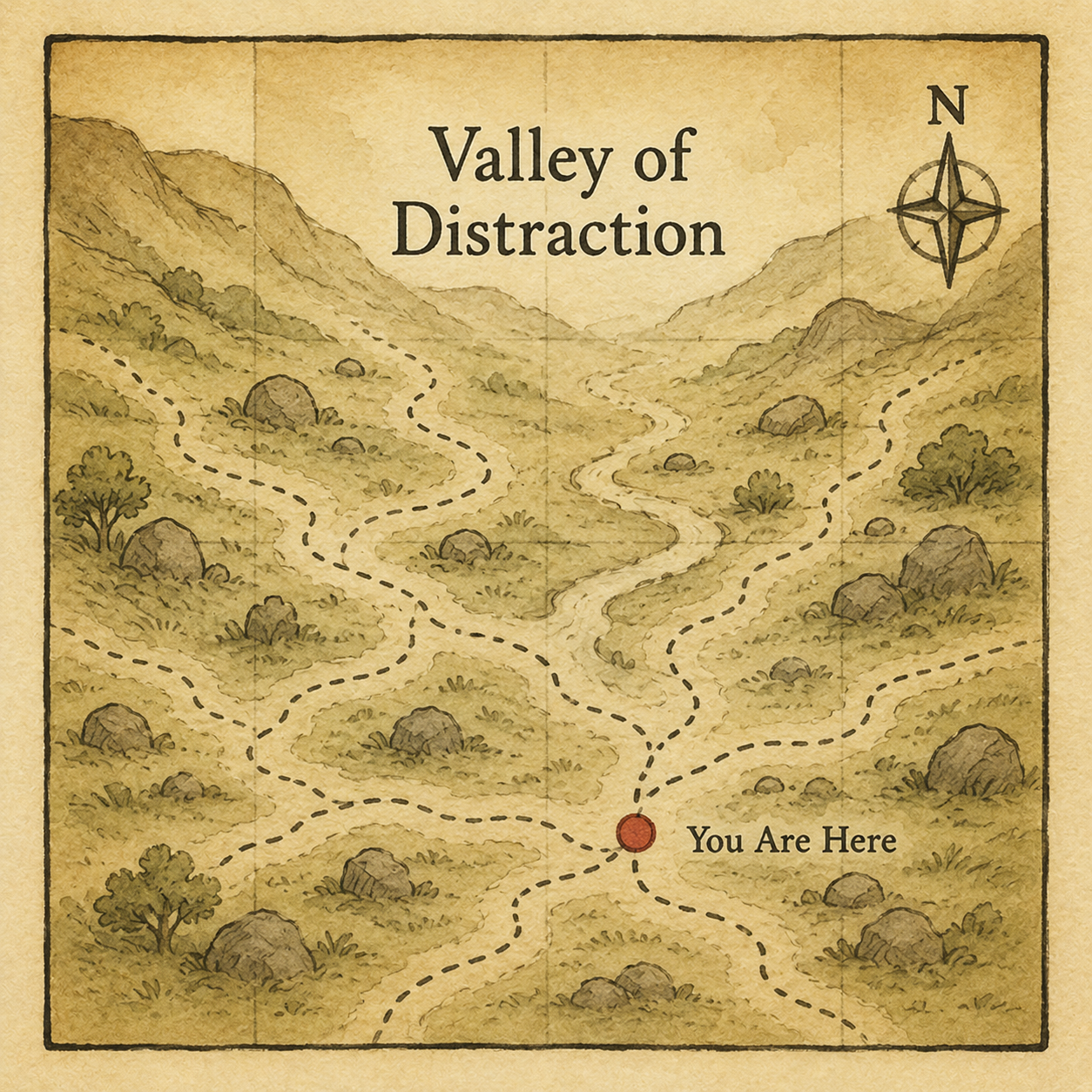
Inner Map: Valley of Distraction
Thoughts branch like trails across open ground, pulling the mind in many directions at once. This stage explores distraction not as failure, but as part of meditation itself. The practice is simple: notice where the mind has gone, soften the reaction, and return.
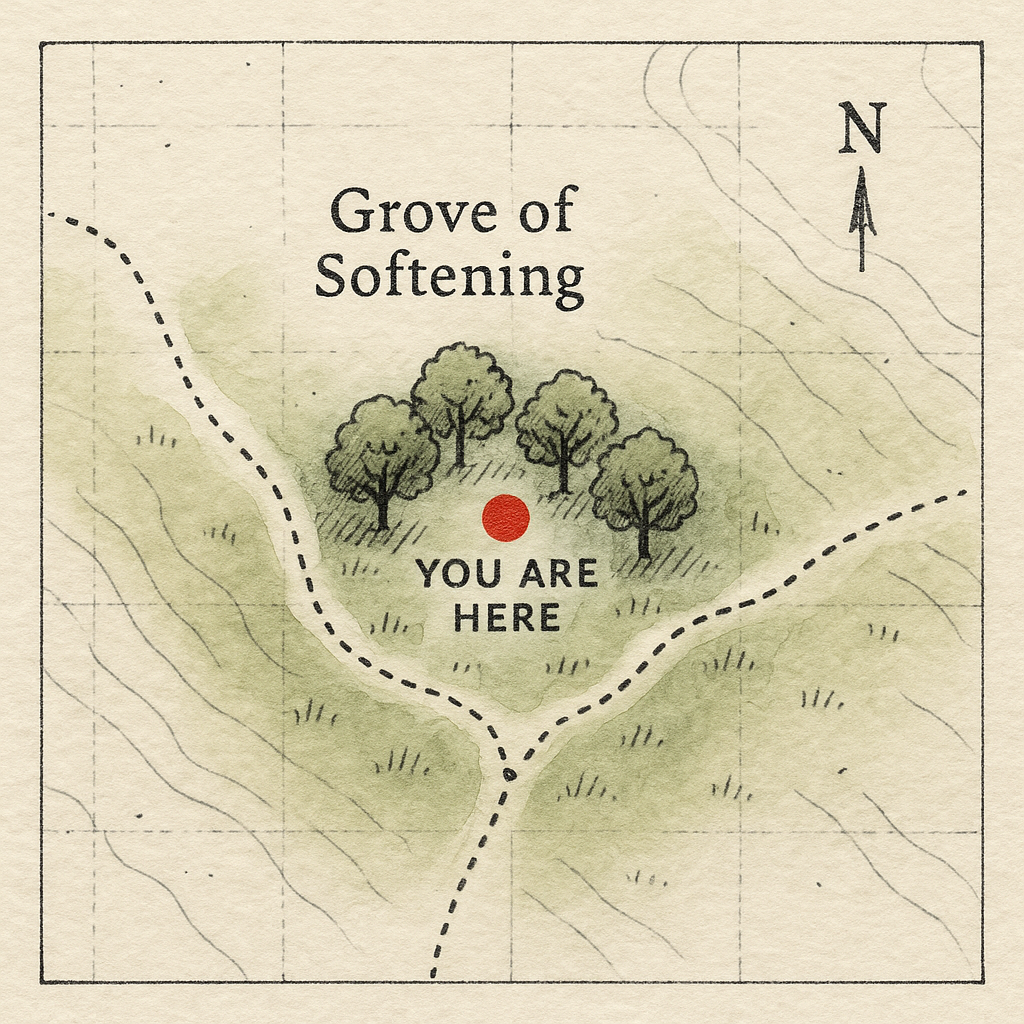
Inner Map: The Grove of Softening
This stage of meditation brings the body into a softer, more open state. As tension loosens, breath deepens and ease becomes the natural direction of your practice.
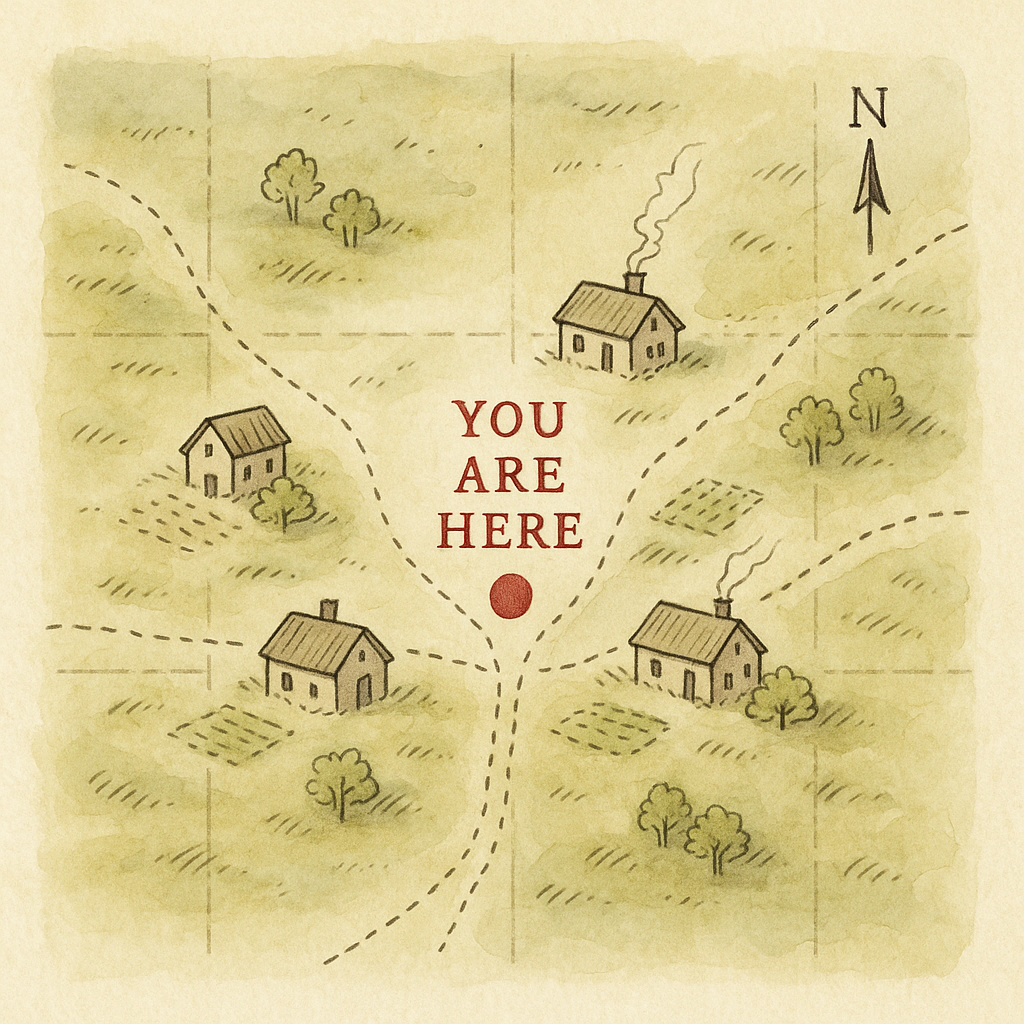
Inner Map: The Village of Everyday Mindfulness
Mindfulness becomes most real when it enters everyday life. This stage invites you to bring presence into ordinary moments — walking, speaking, cooking, pausing — letting awareness blend quietly with your routine.
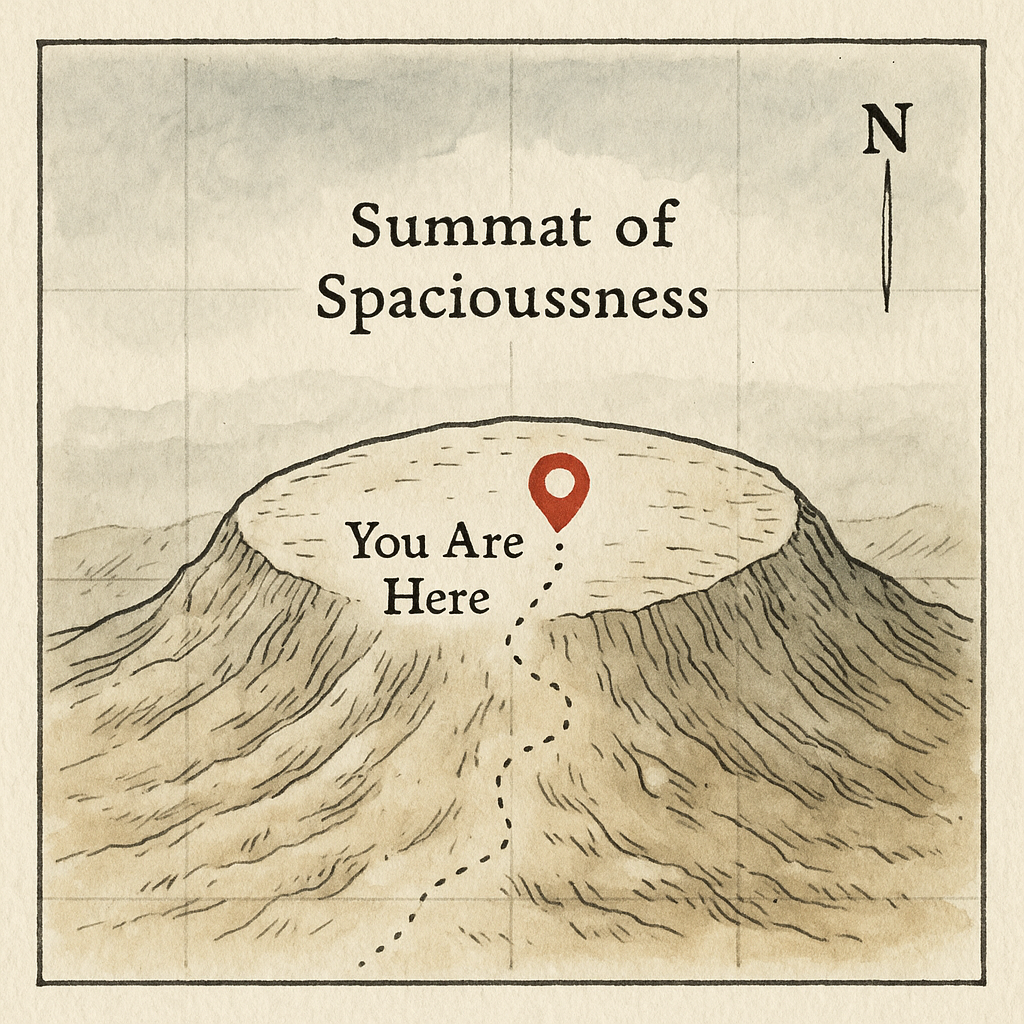
Inner Map: The Summit of Spaciousness
Spaciousness arises when effort softens and the mind begins to open. In this stage of meditation, awareness widens naturally, offering a quiet, grounded sense of ease.
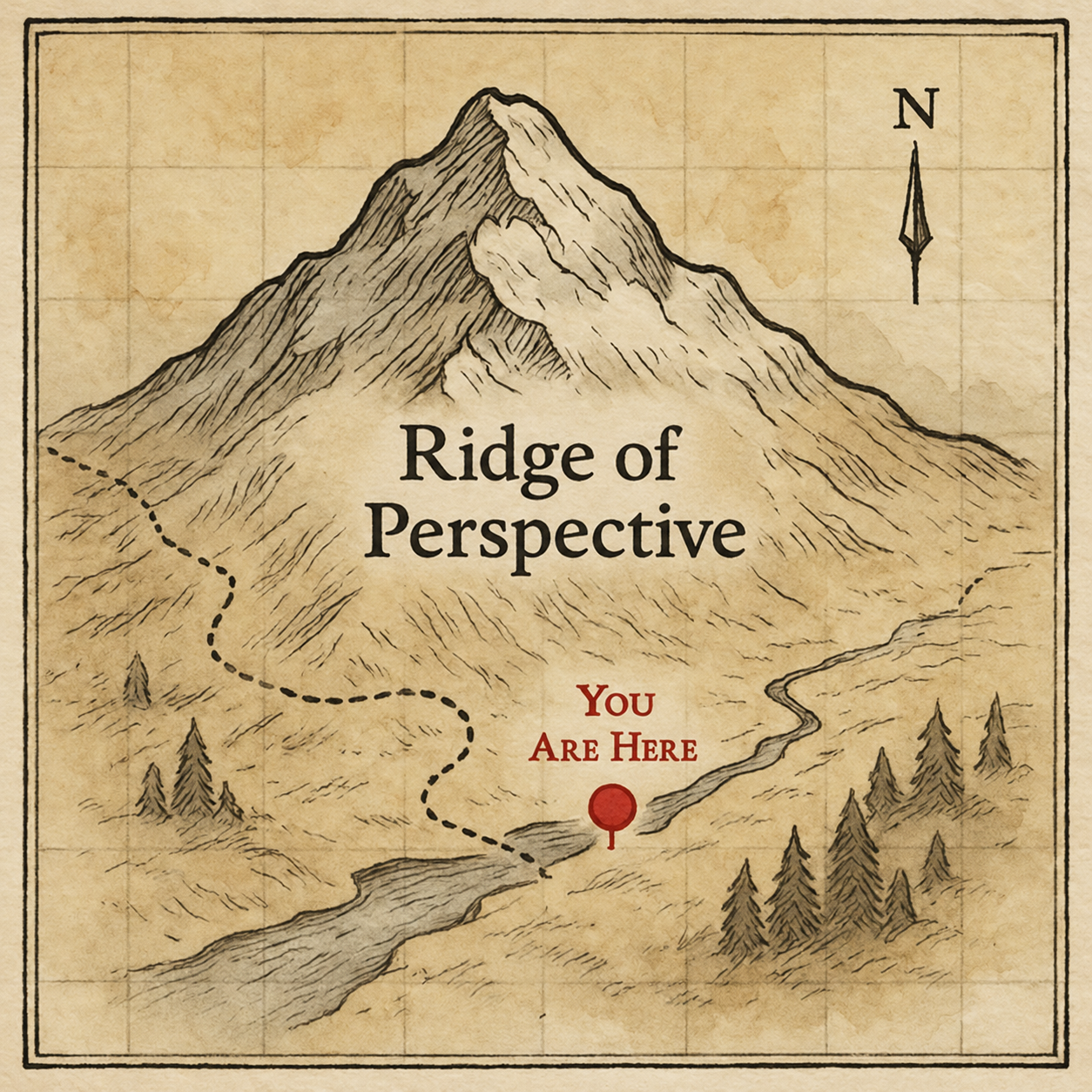
Inner Map: Ridge of Perspective
A thought, feeling, or problem may still be present, but it no longer fills the whole sky. This stage explores how meditation can create space around experience, helping difficulty feel less absolute and more workable.
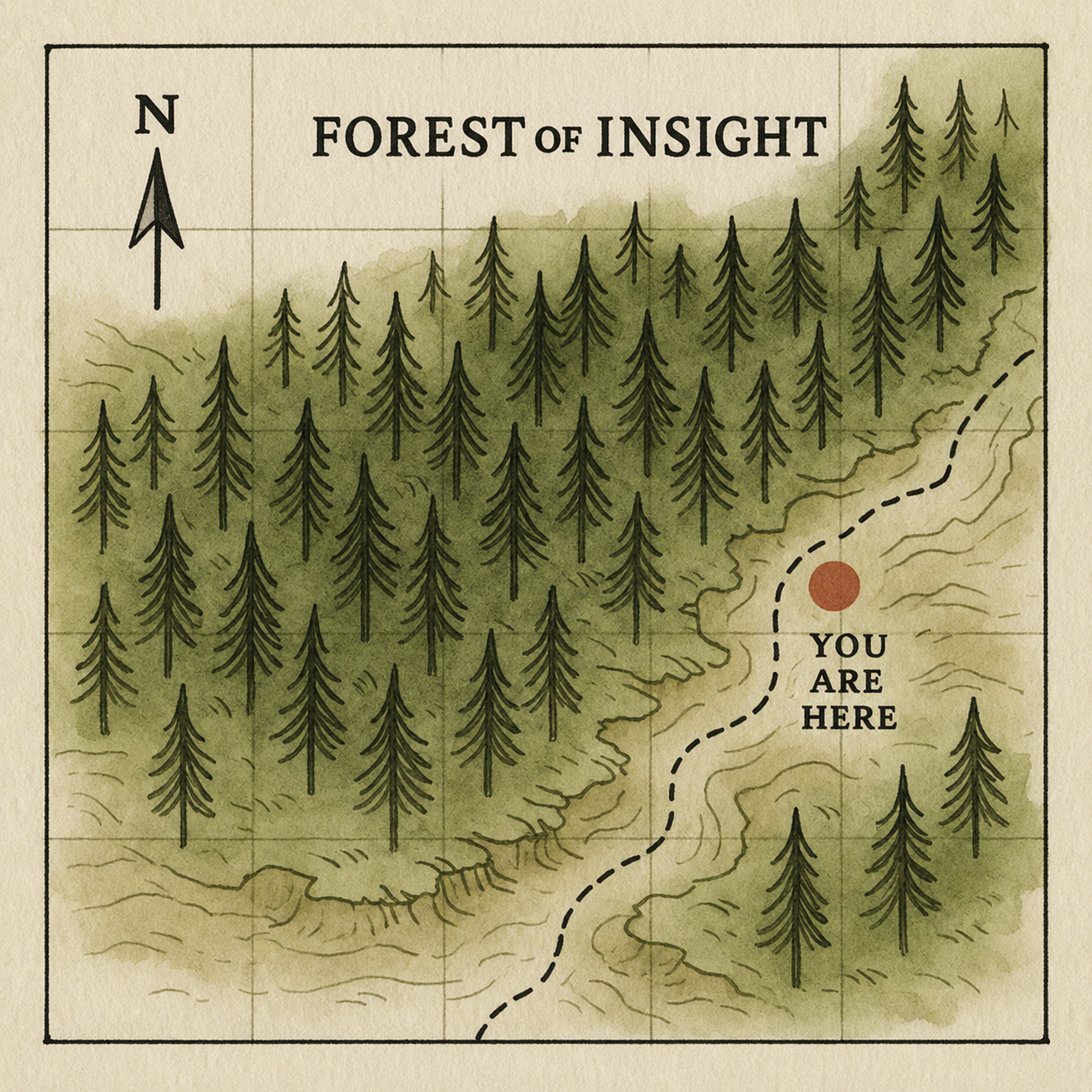
Inner Map: Forest of Insight
Not every meditation brings a breakthrough, but sometimes a pattern softens, a feeling makes sense, or a thought loses its grip. This stage explores insight as something that often arrives quietly, like light reaching the forest floor.
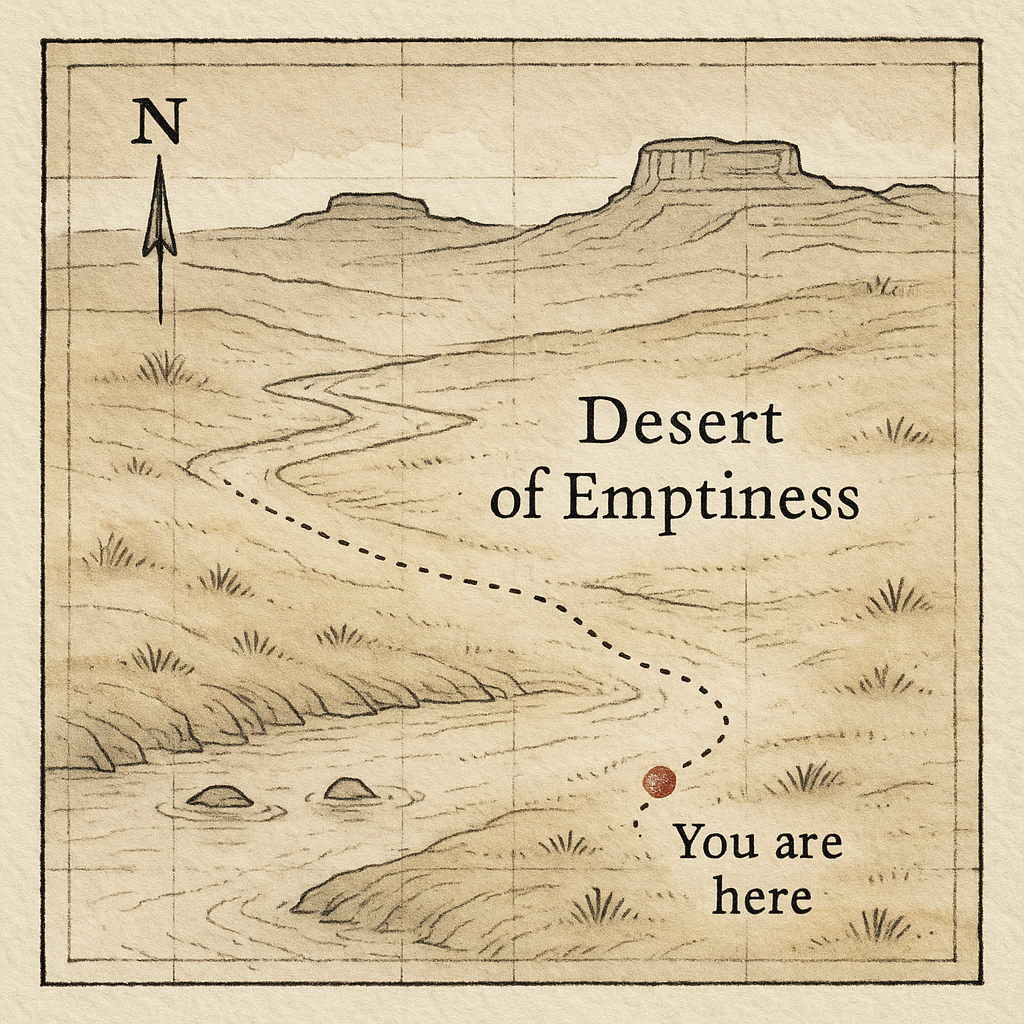
Inner Map: The Desert of Emptiness
Sometimes meditation opens into quiet, spacious terrain. This stage invites you to rest in simplicity without searching for more — letting emptiness be a place of ease rather than uncertainty.
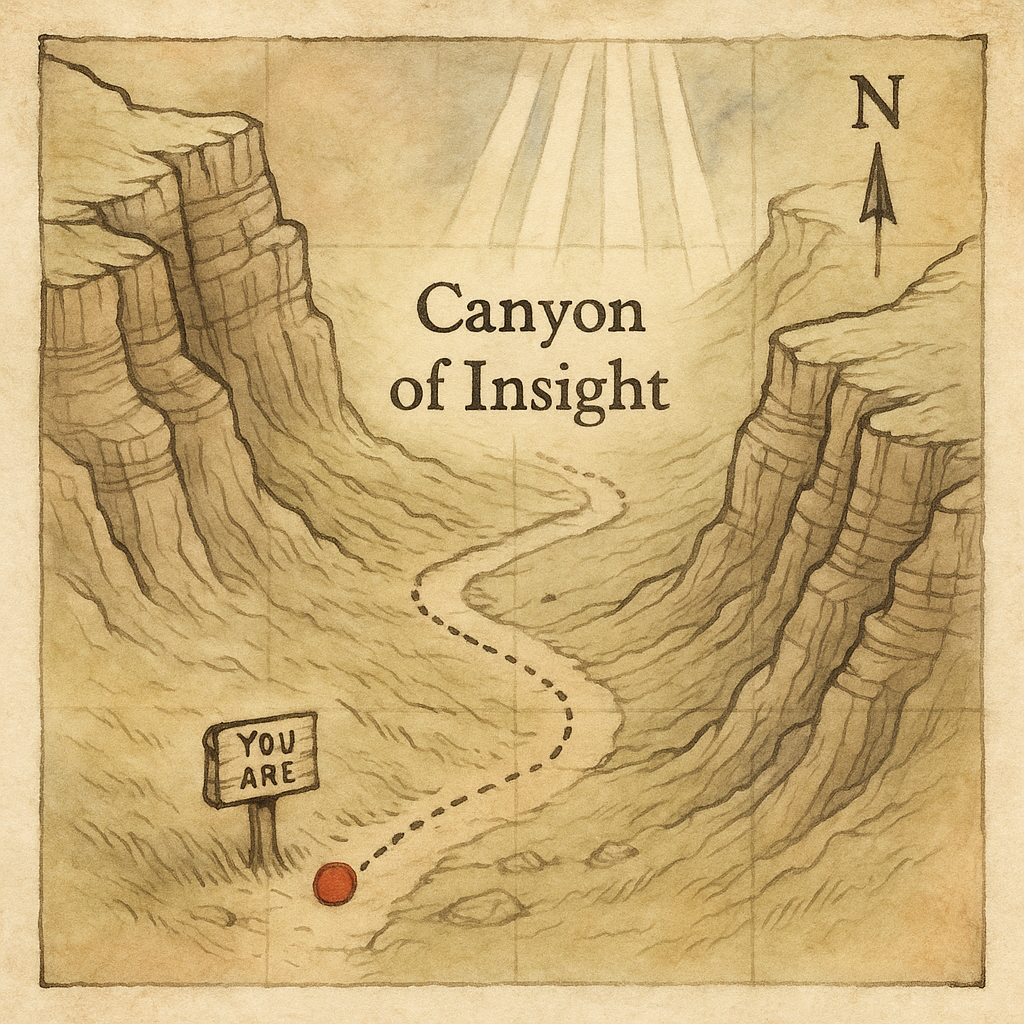
Inner Map: The Canyon of Insight
Insight in meditation is usually subtle — a small shift in how you see or feel something. This stage invites you to notice clarity when it appears, stay grounded, and let each moment pass naturally.
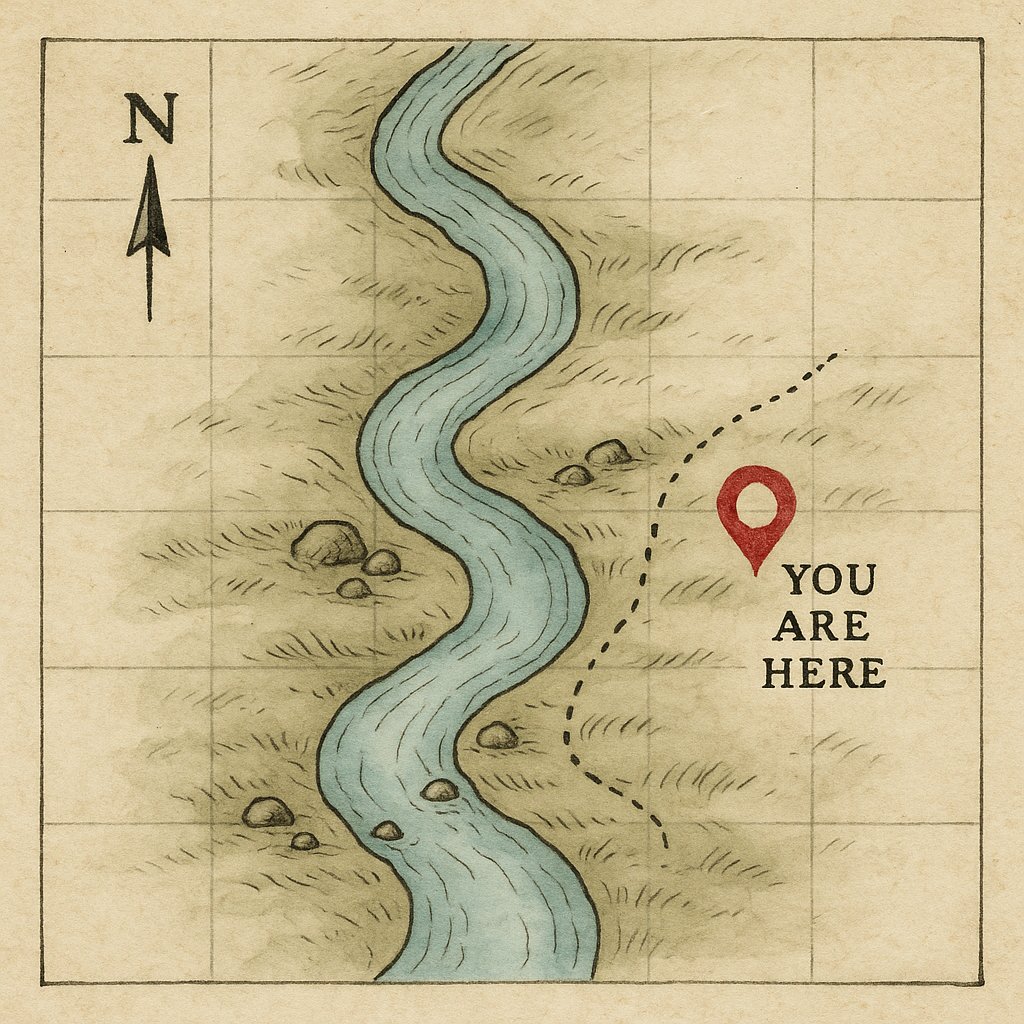
Inner Map: The River of Feeling
When emotions begin to move in meditation, they can feel like a shifting current. This stage invites you to stay close to the sensations in your body and let each feeling rise and fall without tightening around it.
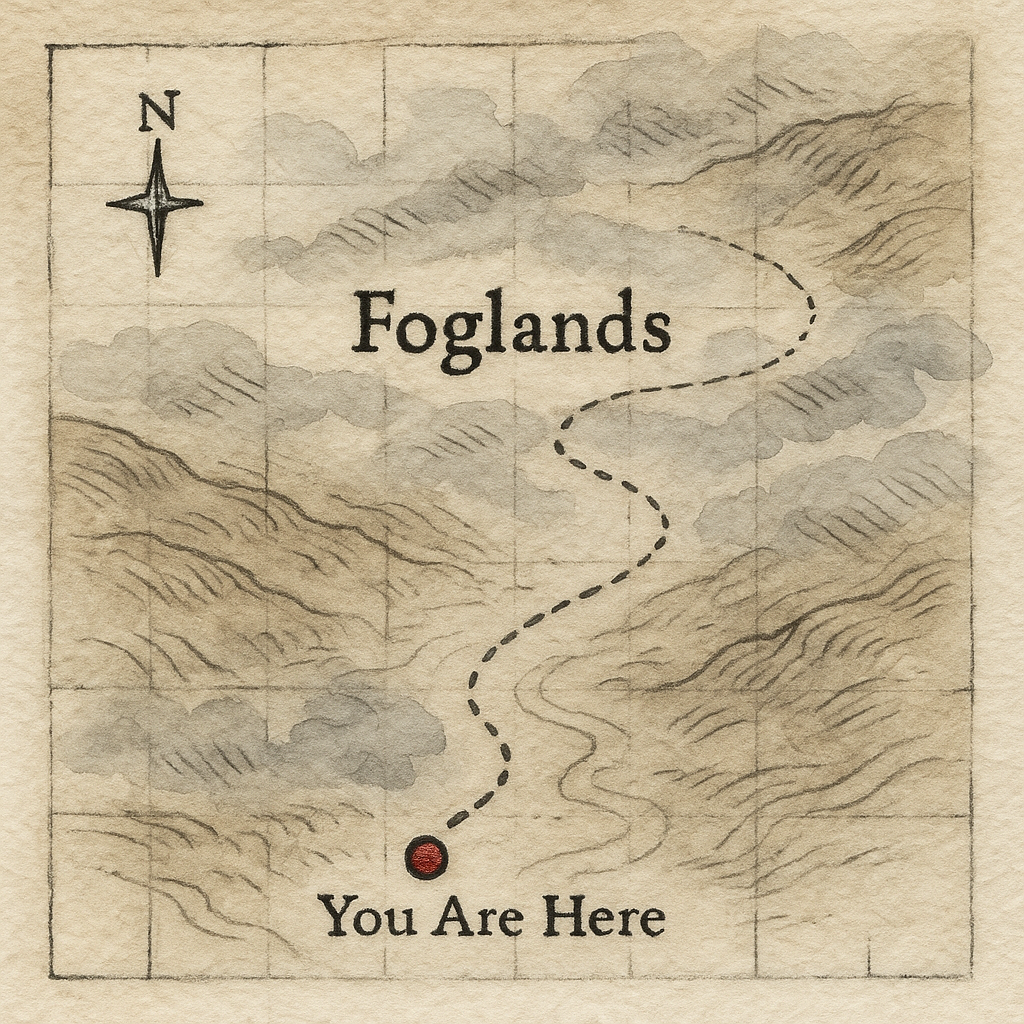
Inner Map: The Foglands
Some days the mind feels dim or hazy. In this stage of meditation, attention drifts and everything softens. Instead of fighting the fog, small adjustments help bring gentle brightness back into your practice.
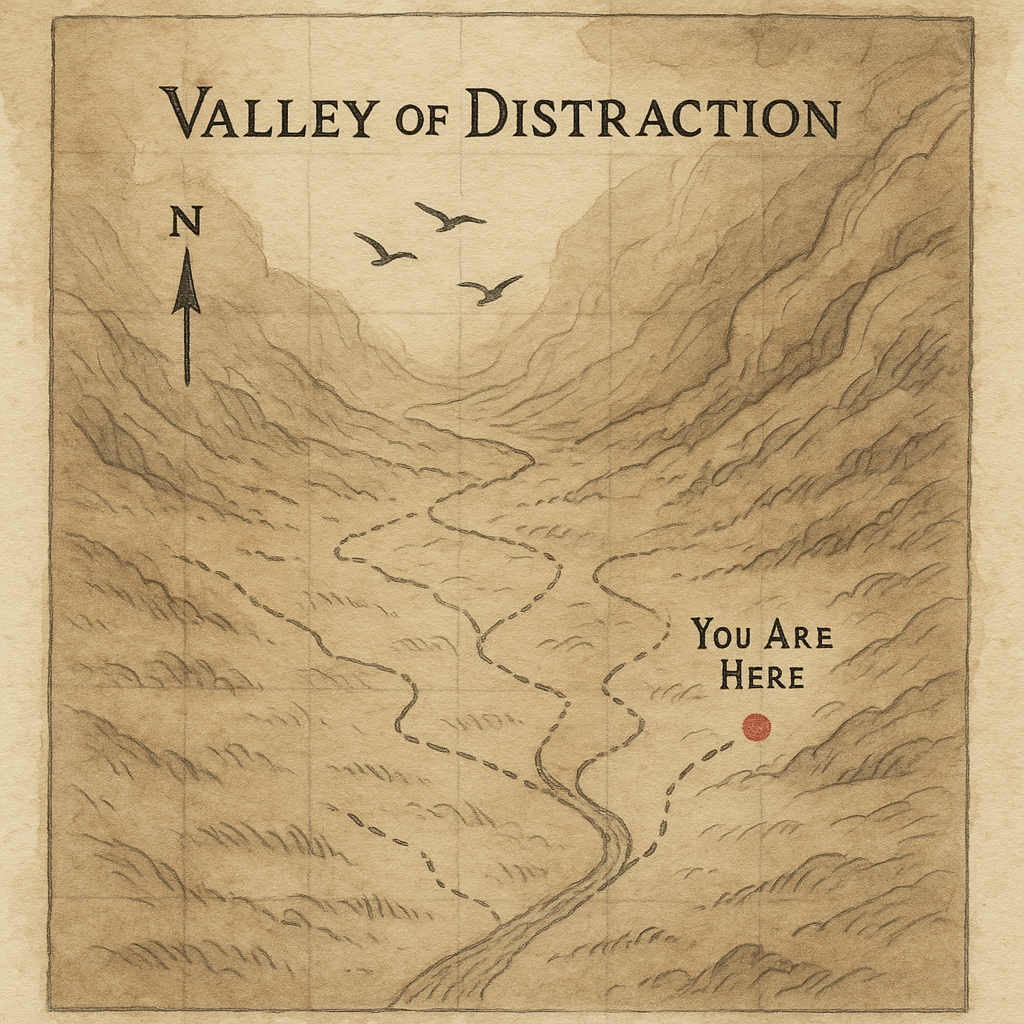
Inner Map: The Valley of Distraction
The mind wanders — that’s its nature. In this stage of meditation, thoughts move quickly in every direction. The practice isn’t to stop them, but to return with softness each time you notice you’ve drifted.
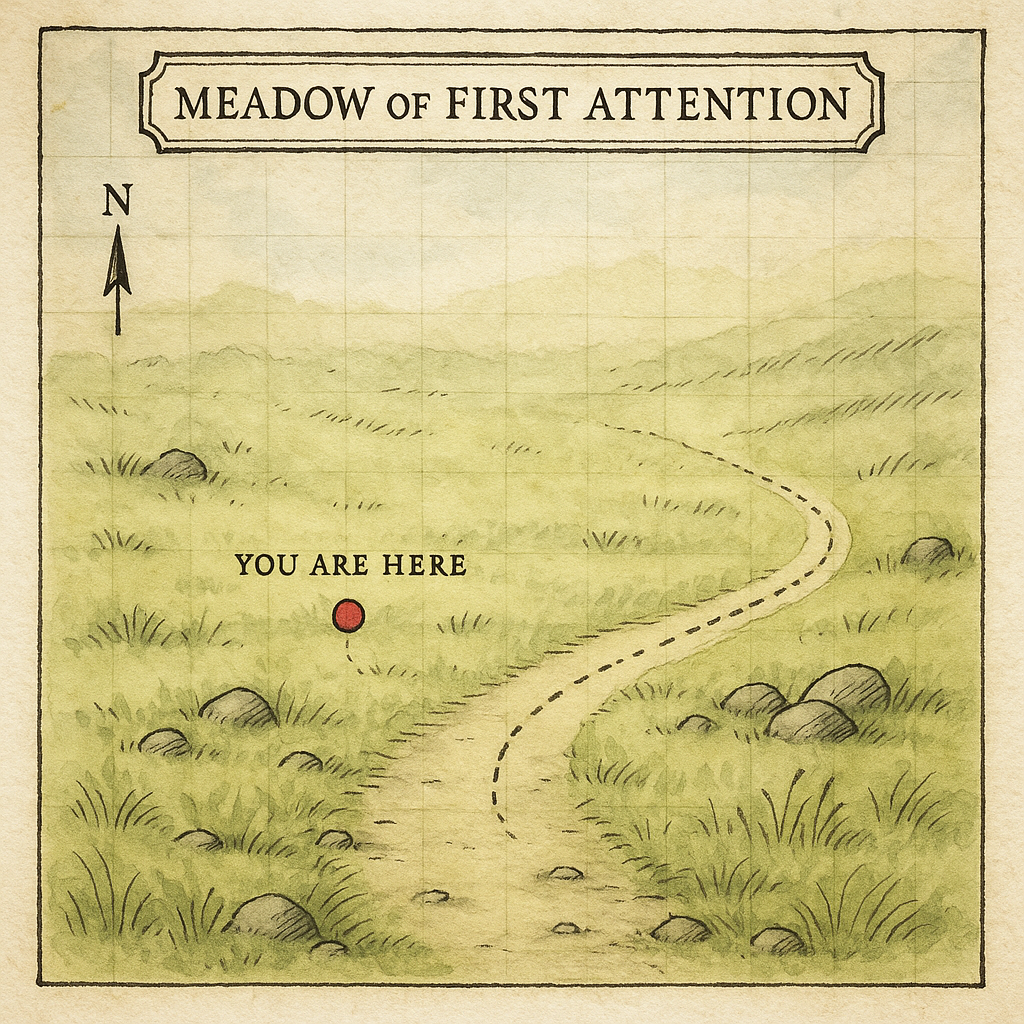
Inner Map: The Meadow of First Attention
Early attention is gentle. It comes in like morning light, soft and steady, helping you notice the breath and settle into your practice without forcing it. This stage isn’t about perfect focus — it’s about beginning to stay.
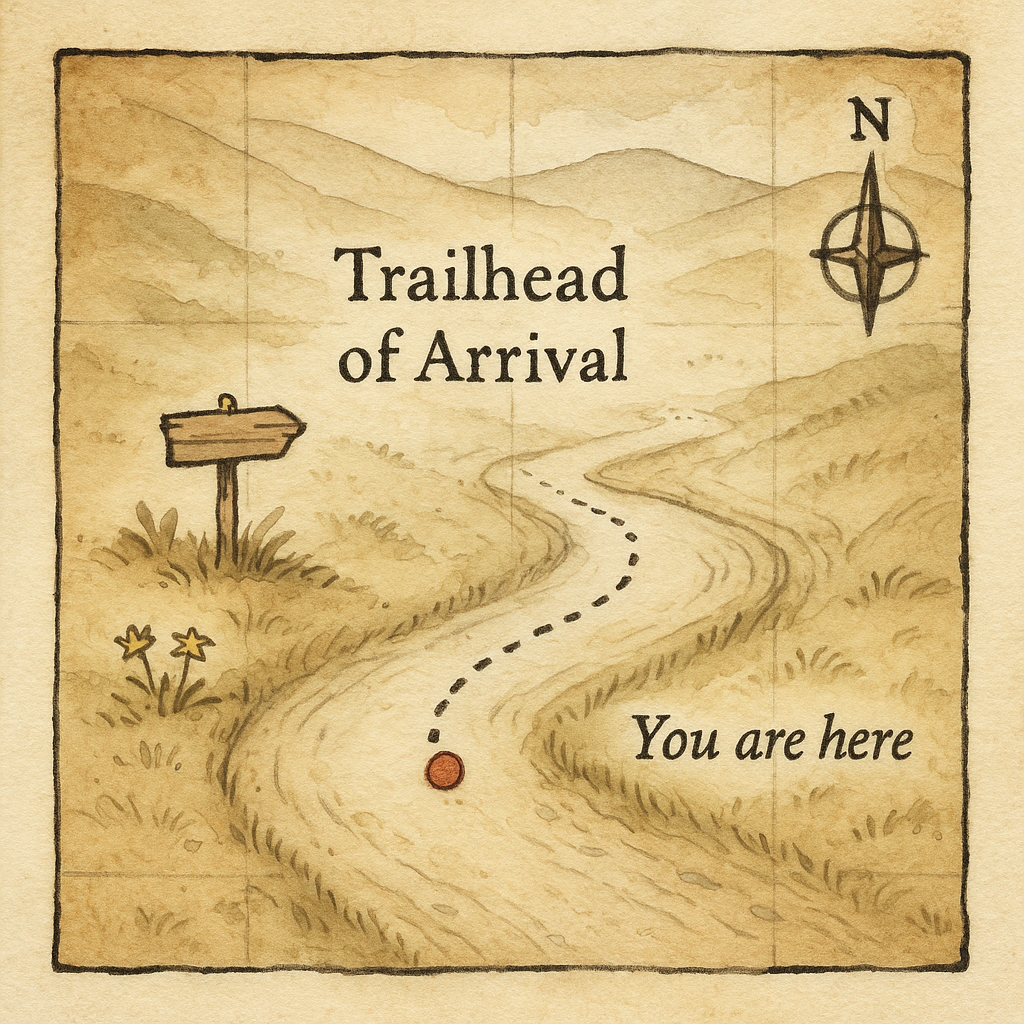
Inner Map: The Trailhead of Arrival
Meditation begins with a simple arrival — a moment to pause, settle your body, and choose your pace. This first step doesn’t require clarity or perfect focus. It’s just a quiet shift into presence, where the path ahead starts to take shape.