
Walking Barefoot on a Familiar Trail
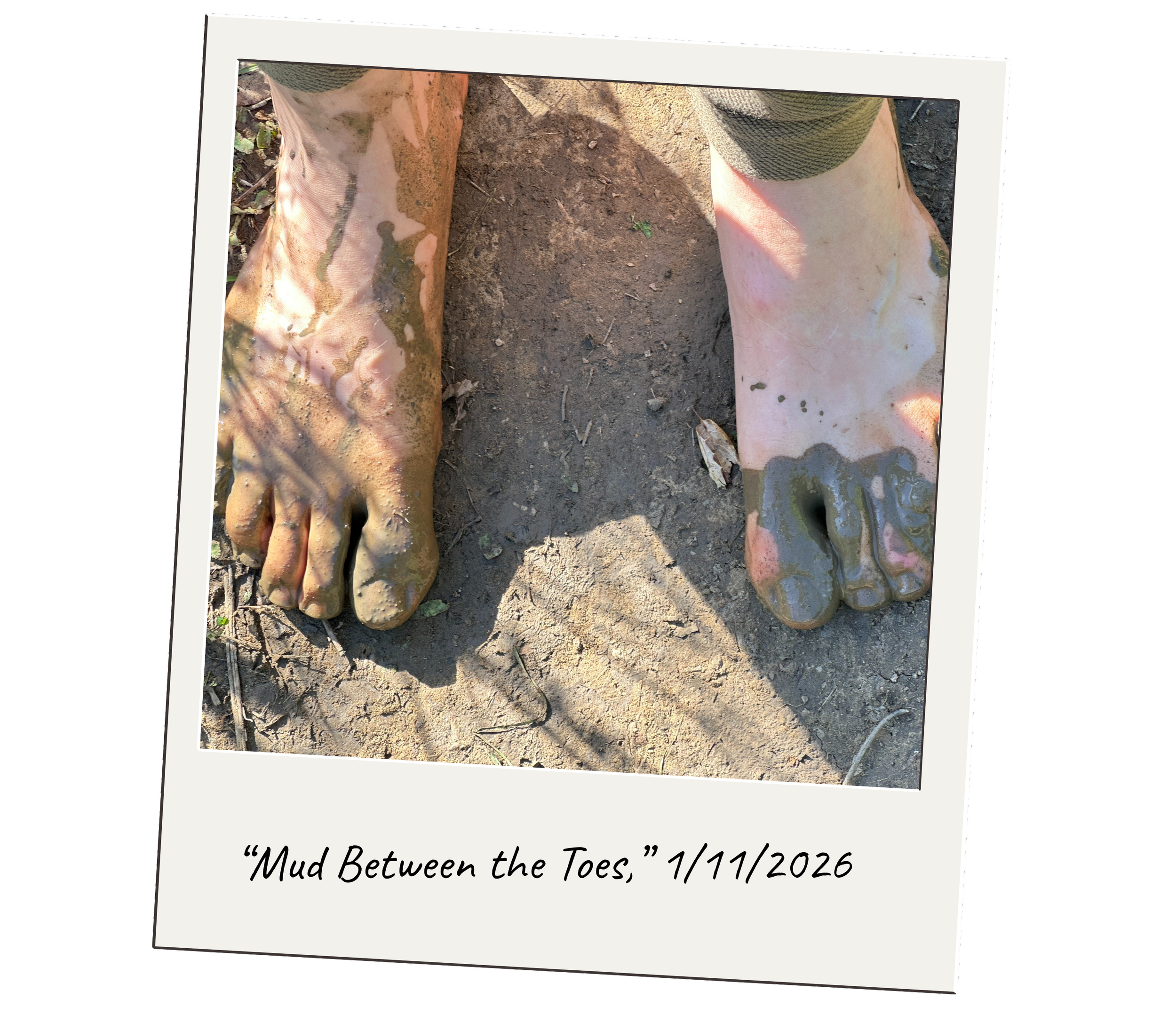
I walked a familiar trail this weekend, one I’ve moved through many times without much thought. This time, I took my shoes off before starting. The trail was the same. My relationship to it was not.
I stood at the edge of the path for a moment, shoes in hand, noticing a brief hesitation before stepping forward. My mind ran ahead: scraped feet, a stubbed toe. Despite the risk, I stepped onto the trail barefoot.
Without shoes, my attention dropped immediately. I noticed my feet first. Then the ground. Dry dirt gave way to soft grass. Hard packed sections shifted into mud. Near the stream, the rocks were slick and cold, asking for care rather than confidence.
At a few points I tried to avoid the mud, stepping around it out of habit. Eventually that became impractical. Mud found its way between my toes. I stopped resisting and kept going, feeling the ground yield and hold at the same time.
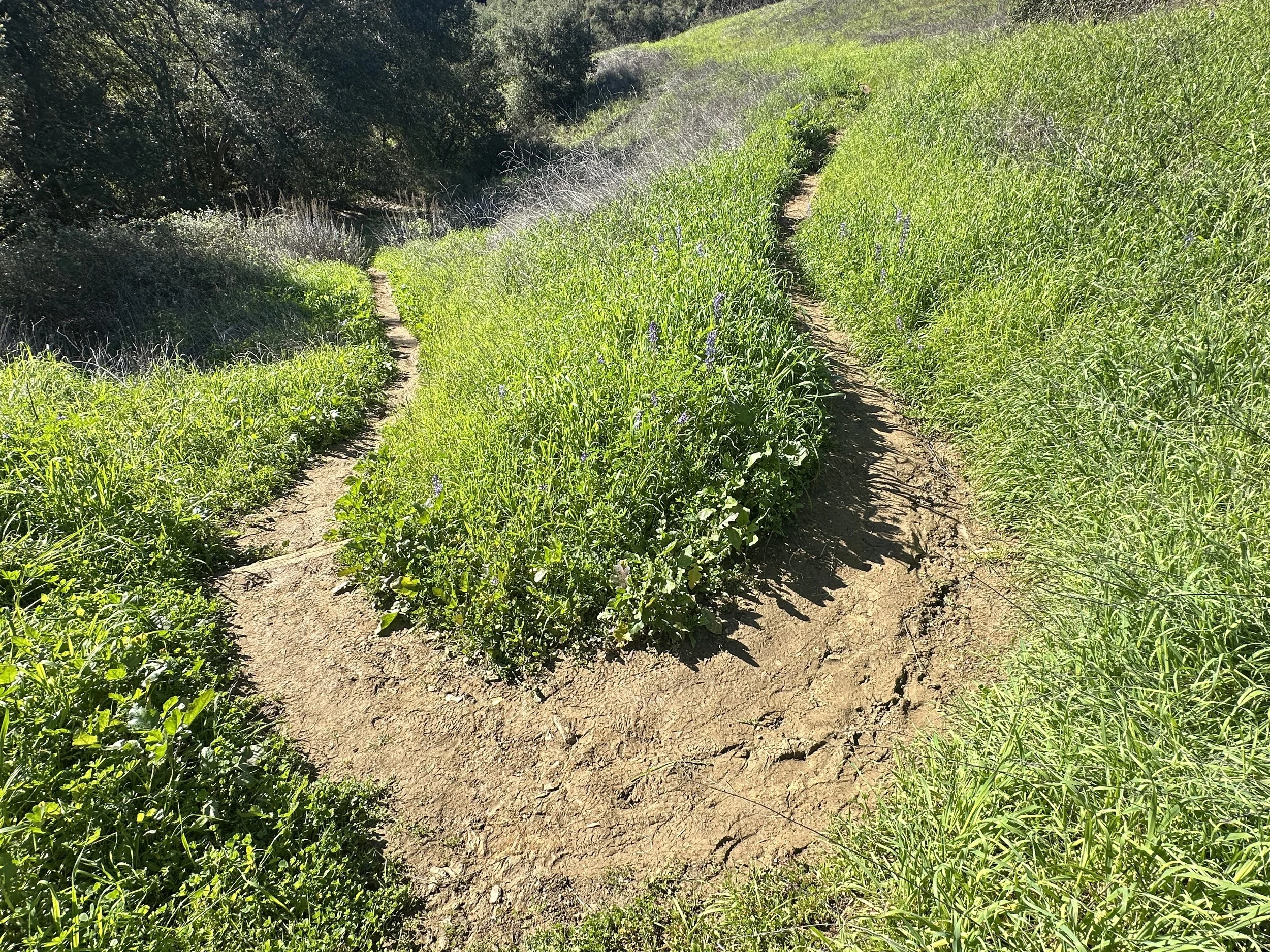
What changed most was my pace. I walked slower, not as a decision but as a requirement. Without shoes, the trail decided how fast I could go. Each step asked for placement. Each surface asked for a different response.
As my pace slowed, my thinking quieted. Attention settled into the body. I felt more present, not in a dramatic way, but in a steady one. The trail was no longer something I moved across. It was something I was in conversation with.
By the end of the hike, my feet felt worked and awake, as if they had been pressed and stretched from the inside out. The effect traveled upward. My body felt more integrated. Less abstract.
Nothing about the trail was new. What changed was the way I met it. Removing my shoes did not add anything. It removed a layer. What remained was contact.
If this kind of practice resonates, The Journey Through Meditation ebook explores similar ways of slowing down and meeting experience directly. Grab your copy here.
