
Beginner's Corner

Starting meditation doesn’t have to be complicated. This guide breaks down the easiest practice for total beginners — no special tools or experience required. Learn how just one mindful minute a day can reset your mind and transform your daily routine.
Meditation doesn’t have to be complicated. This step-by-step guide to guided meditation for beginners makes it simple, approachable, and stress-free. Discover how just 5 minutes a day can calm your mind, improve focus, and bring more ease into daily life.

Meditation doesn’t have to feel complicated or overwhelming. This beginner-friendly guide shows how small pauses and mindful breathing can bring calm and focus into modern life. With simple steps, you’ll discover how to start and sustain a meaningful practice.
Meditation is more than a practice—it’s a path toward stillness, awareness, and balance in today’s fast-paced world. In this blog, we’ll explore how mindful techniques can help you reconnect with yourself and create lasting calm.

Meditation can feel unfamiliar at first—but it doesn’t need to be complicated. This guide offers simple steps for beginners to build a meditation habit with patience and ease. Learn how to sit, breathe, and return to the present, one moment at a time.

Meditation doesn’t always come with instant calm or clarity. In this post, we explore five often-overlooked signs that your practice is actually working—even if it doesn’t feel like it. A reassuring guide for anyone wondering, “Am I doing this right?”
Meditation isn’t always peaceful—and that’s perfectly normal. In this post, we explore why discomfort shows up in practice, how to respond to it with compassion, and why sitting with what’s hard can lead to real growth. If you’ve ever felt like you’re doing it wrong, this one’s for you.

If you think you have to clear your mind to meditate, you're not alone—but you're also not getting the full picture. In this post, we bust the myth of the “empty mind,” explore how real meditation works, and offer simple ways to stay consistent even when your thoughts won’t stop.

You don’t have to sit cross-legged to meditate. In fact, forcing yourself into uncomfortable positions can be more distracting than helpful. This post offers five alternative meditation positions—like walking, standing, and lying down—that support your body and make your practice more accessible, especially when sitting still isn’t an option.
Meditation can be a deeply personal journey, but at some point, you may wonder—should I get a teacher? Some people thrive in self-guided practice, while others benefit from structure, accountability, and expert guidance. In this post, we explore when to go solo, when to seek instruction, and how to decide what’s best for your meditation practice.

Breathwork and meditation are often confused, but they serve distinct purposes. Breathwork actively shifts your energy and mood through controlled breathing, while meditation fosters inner stillness and awareness over time. Whether you're looking for quick stress relief or long-term mindfulness, understanding when to use each practice can enhance your well-being. Learn the key differences, when to use breathwork versus meditation, and try simple exercises to experience both firsthand.
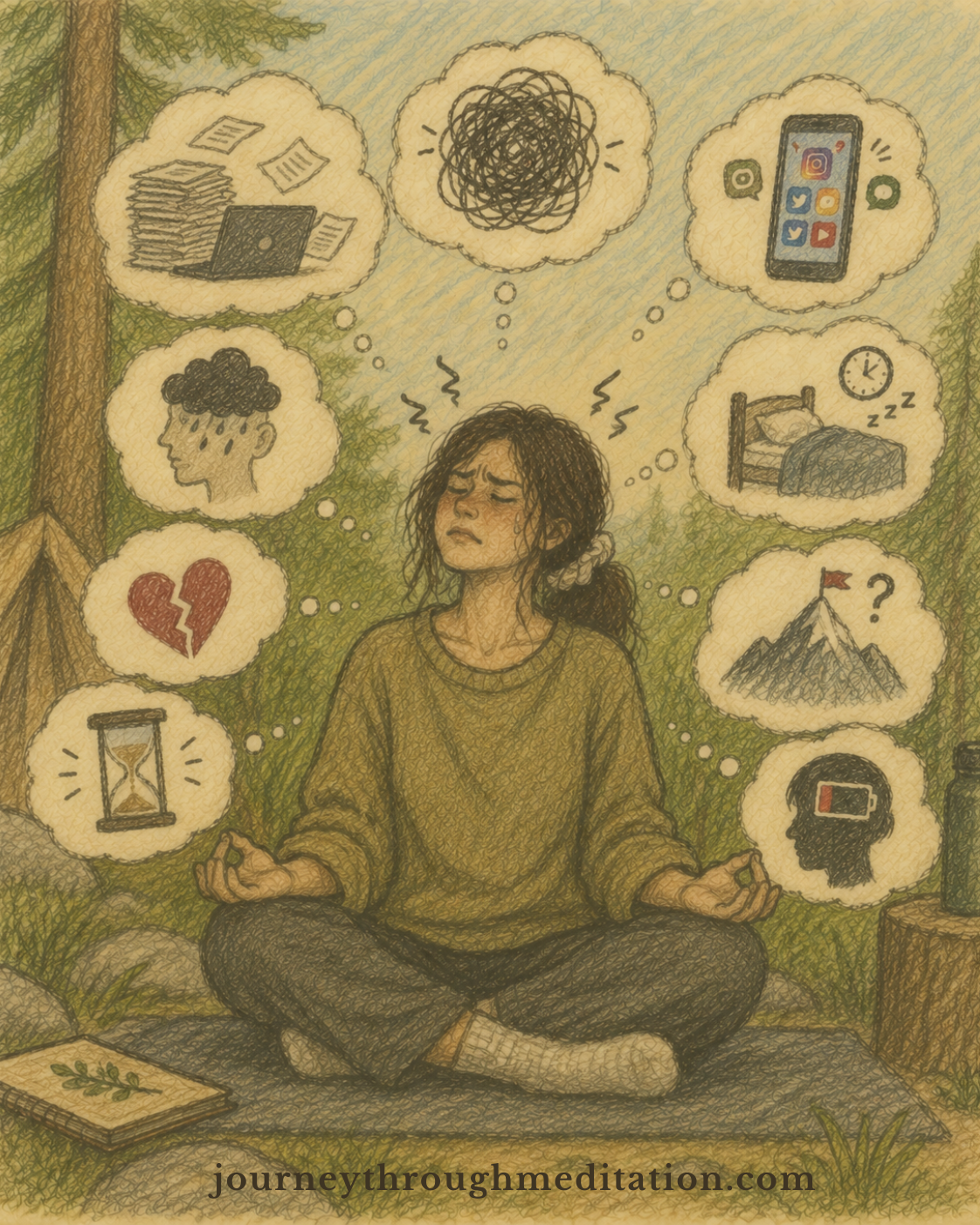
Struggling with meditation? You’re not alone. For many, reaching even a few minutes of focused practice can feel nearly impossible. But before you give up, let’s look at nine common obstacles that disrupt meditation and hinder progress. From physical illness to mental laziness and everything in between, these challenges often start as minor distractions but can become major blocks if left unaddressed. In this article, we’ll uncover each obstacle and its remedy, helping you overcome the barriers and make your meditation practice more fulfilling.

Meditation doesn’t necessarily involve quiet in our environment, but it does require an ability to quiet our minds. Silence can be a powerful tool for clarity and self-awareness. In a world filled with distractions, embracing silence through meditation can help you find inner peace, deepen your practice, and bring focus to the present moment.

Struggling to sit still during meditation? You’re not alone. Many people face resistance in their practice due to restlessness, overthinking, and self-judgment. In this guide, we break down why meditation can feel so challenging and share simple, effective solutions to help you stay committed. Whether you’re a beginner or an experienced meditator, these mindset shifts will make meditation feel more natural and enjoyable.
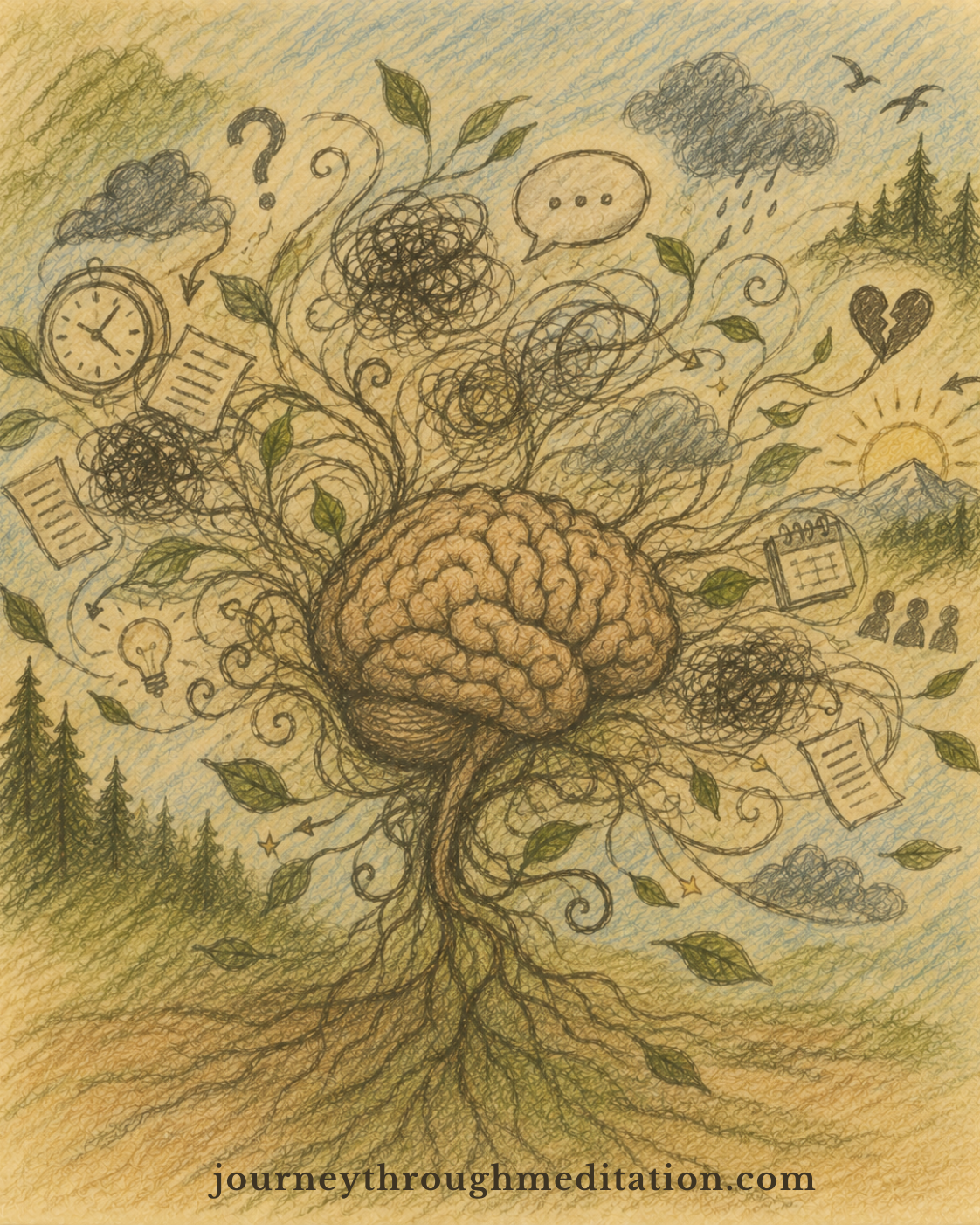
Our minds are often in constant motion, filled with chatter and thoughts that seem beyond our control. This "monkey mind" is influenced by several key factors that shape our perceptions and responses. The five main causes of mental modifications—ignorance, egoism, fear, attachment, and aversion—are at the root of much of our internal dialogue. By understanding these causes, we can begin to calm our minds, reduce mental chatter, and move toward a clearer, more balanced state.
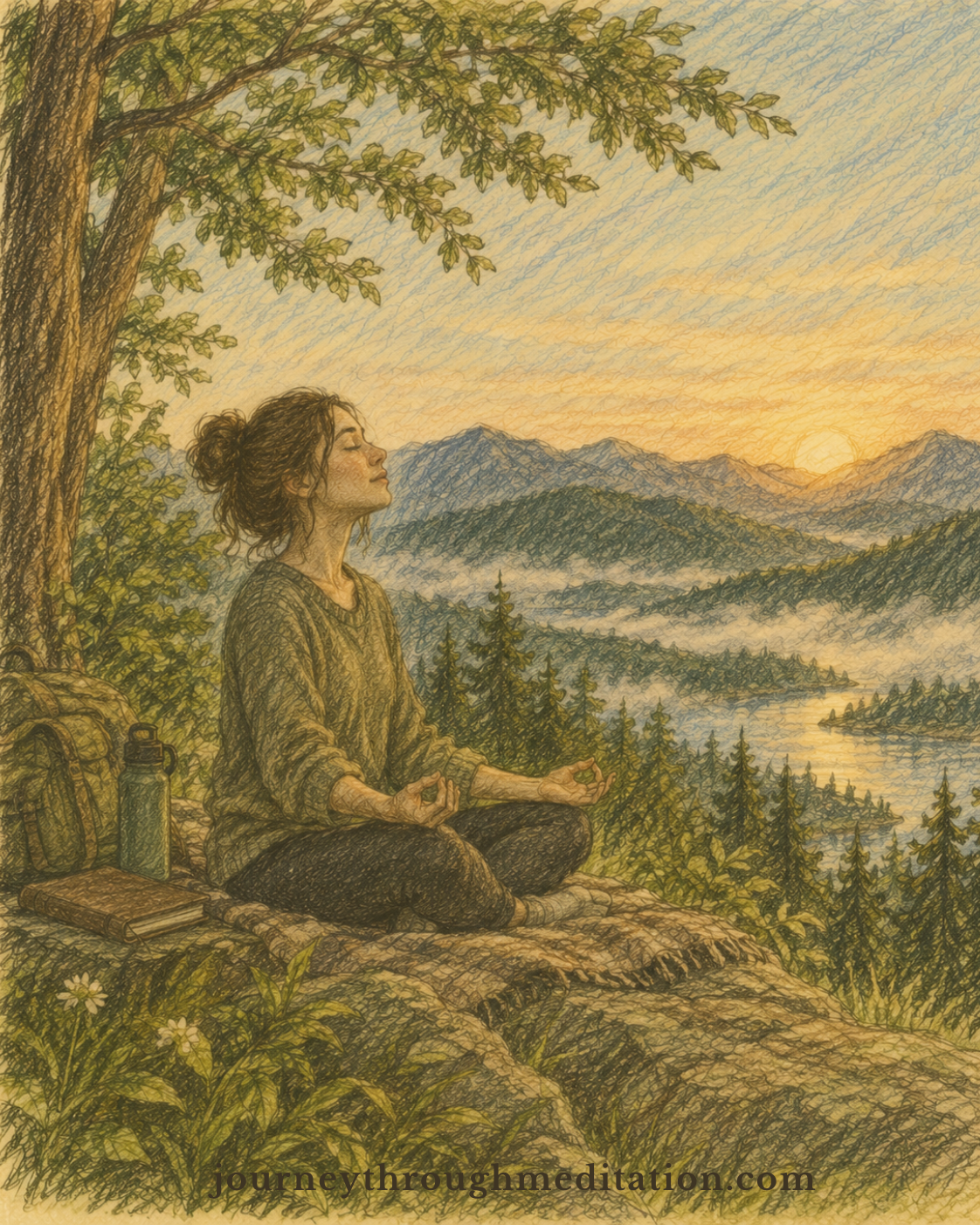
"Just breathe." It’s advice we’ve all heard, but in today’s fast-paced, tech-focused world, we often lose our natural connection to our breath. When we become disconnected, our breathing turns shallow, engaging our body’s stress response. However, by practicing mindful, deep breathing, we can activate our parasympathetic nervous system, inviting calm and balance back into our lives. This article explores simple breathing techniques—quiet breathing, deep belly breathing, and fast cleansing breaths—to help you reconnect with your breath and boost overall well-being.

Meditation isn’t just for the deeply spiritual—it’s a simple practice anyone can start. In this guide, learn the basics of meditation, from finding a comfortable space to dealing with wandering thoughts. Discover how a few minutes a day can reduce stress, increase focus, and bring calm to everyday life. Whether you’re drawn to guided sessions or exploring on your own, this beginner-friendly approach will help you start your journey with confidence.

Many people find meditation challenging because of the constant flow of thoughts. This mental chatter, often called "Monkey Mind," can seem uncontrollable, leaving us restless and unfocused. But by learning to both let thoughts come and let thoughts go, we can start to manage our minds more effectively. Imagine yourself as a ticket taker at an event, simply letting each thought pass through, one by one, until only peace remains. Discover these two powerful approaches for quieting the mind and embracing true silence in meditation.
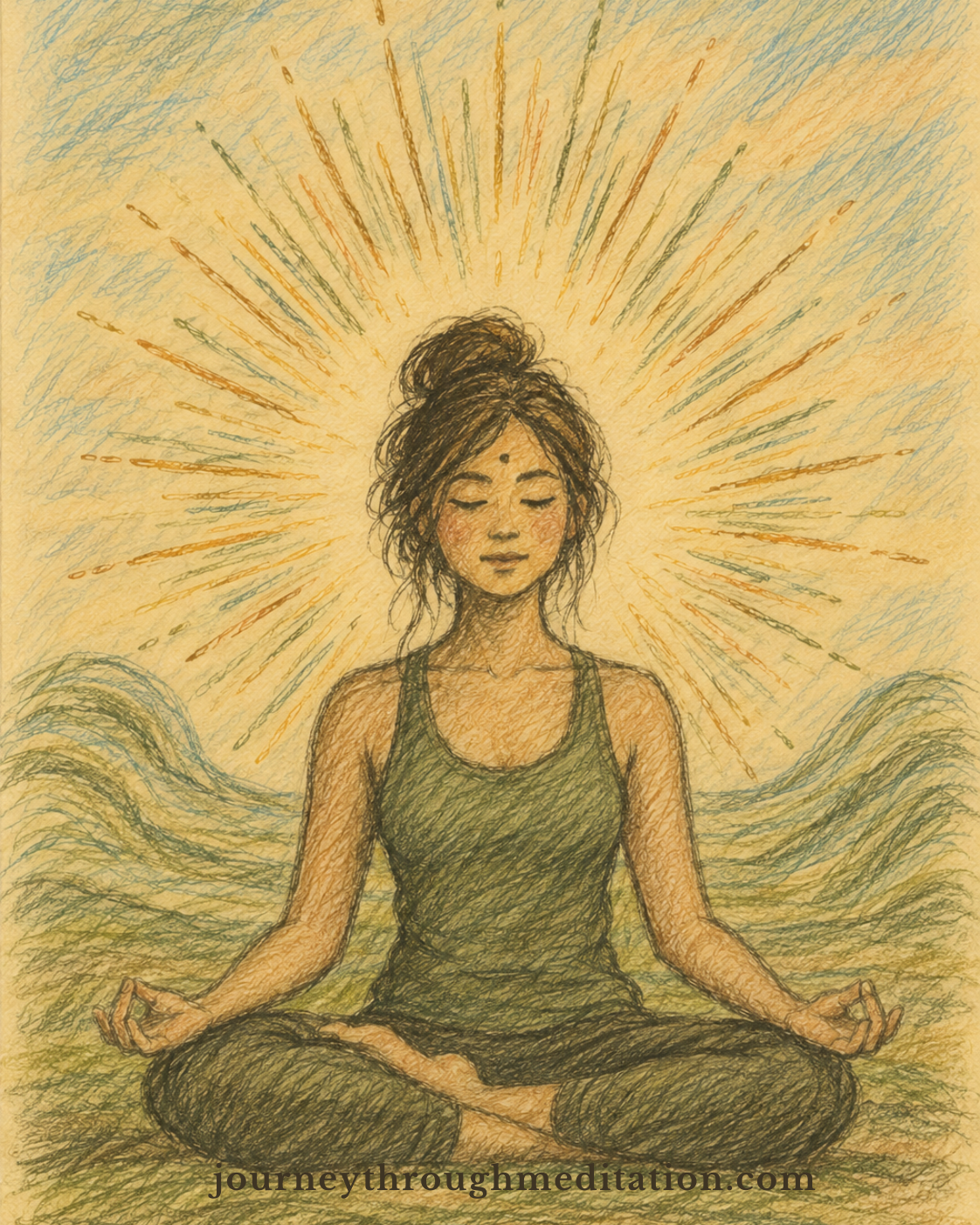
Meditation may be one of the oldest wellness practices in history, yet its benefits for modern health are only just beginning to gain mainstream recognition. From easing anxiety and reducing depression to improving sleep and enhancing immunity, meditation offers profound effects on both mental and physical health. This article dives into six powerful ways meditation can support your wellbeing and improve everyday life.

Meditation and mindfulness, ancient practices rooted in diverse traditions, offer profound tools for inner and outer focus. While meditation draws attention inward to a single object of focus, mindfulness expands awareness outward through the senses. Both practices empower you to navigate distractions and cultivate a calm, serene state of mind. Whether addressing anxiety, pain, or personal goals, these techniques can be tailored to your needs, delivering transformative benefits with consistent practice.
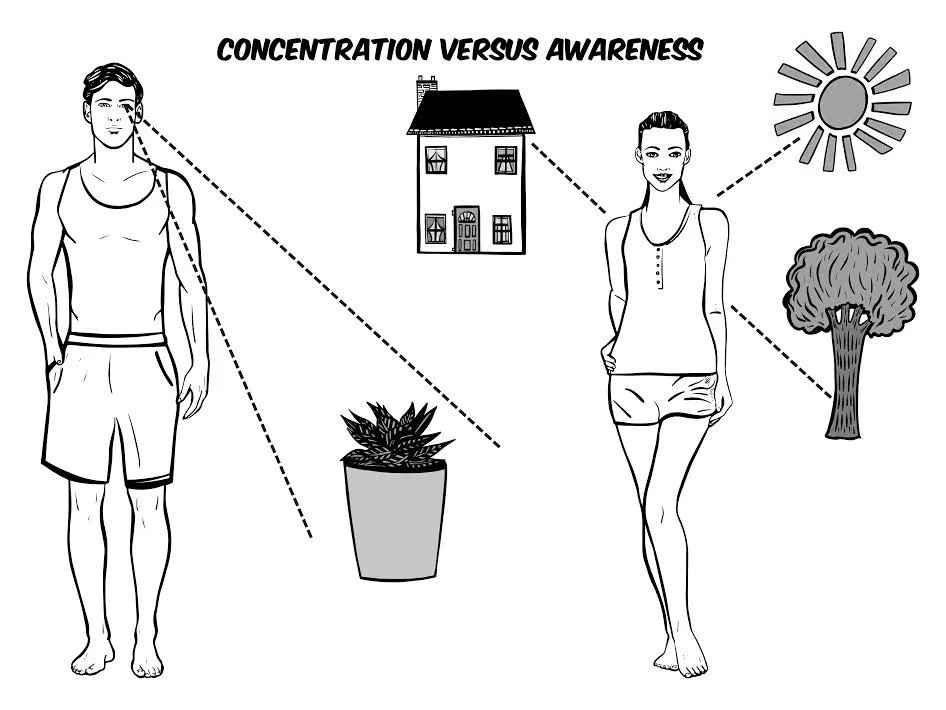
Meditation practices may vary widely, but they often fall into two main categories: concentration meditation (closed meditation) and awareness meditation (open meditation). Visualize a white wall with black dots—focusing on one dot mirrors the essence of concentration meditation, while noticing the entire wall reflects awareness meditation. Each style offers unique benefits, from heightened focus to expanded mindfulness, catering to diverse goals and experiences.

Posture is the foundation of effective meditation. A good posture balances comfort and alertness, allowing you to maintain focus for extended periods. Whether you prefer the traditional lotus pose, the simplicity of chair pose, or the relaxation of corpse pose, each option offers unique benefits. Discover the four basic meditation poses and find the one that suits your practice best.
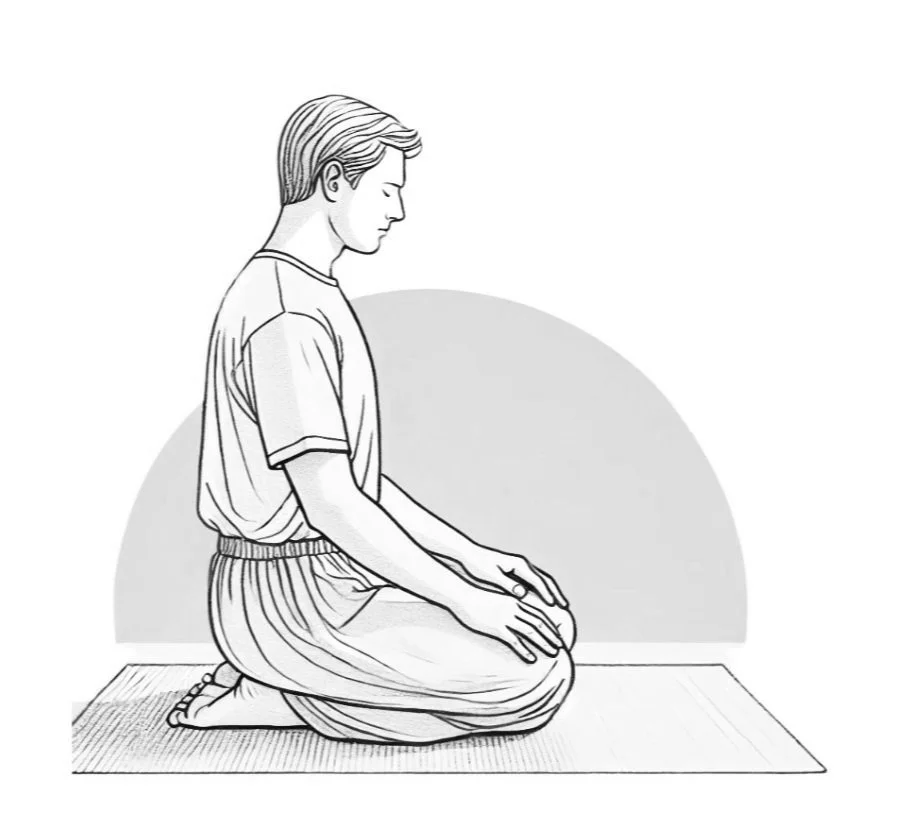
Meditation often reveals the activity of the "monkey mind," a constant stream of thoughts and impressions known as modifications of the mind. These mental distractions—ranging from imagination and memory to correct or wrong knowledge—can disrupt the serenity of your natural state. By observing and not identifying with these mental modifications, you can quiet the mind and deepen your meditation practice. Learn about the five primary types of mind chatter and how to navigate them.

Meditation boils down to two core styles: awareness meditation and concentration meditation. While awareness meditation involves expanding attention to all sensory inputs, concentration meditation narrows focus to a single object. But a large part of what defines a meditation practice is the objects of focus. From the breath and mantras to sensations and chakras, exploring the six basic meditation objects helps create a personalized and effective practice suited to your needs.
Build Your Daily Routine
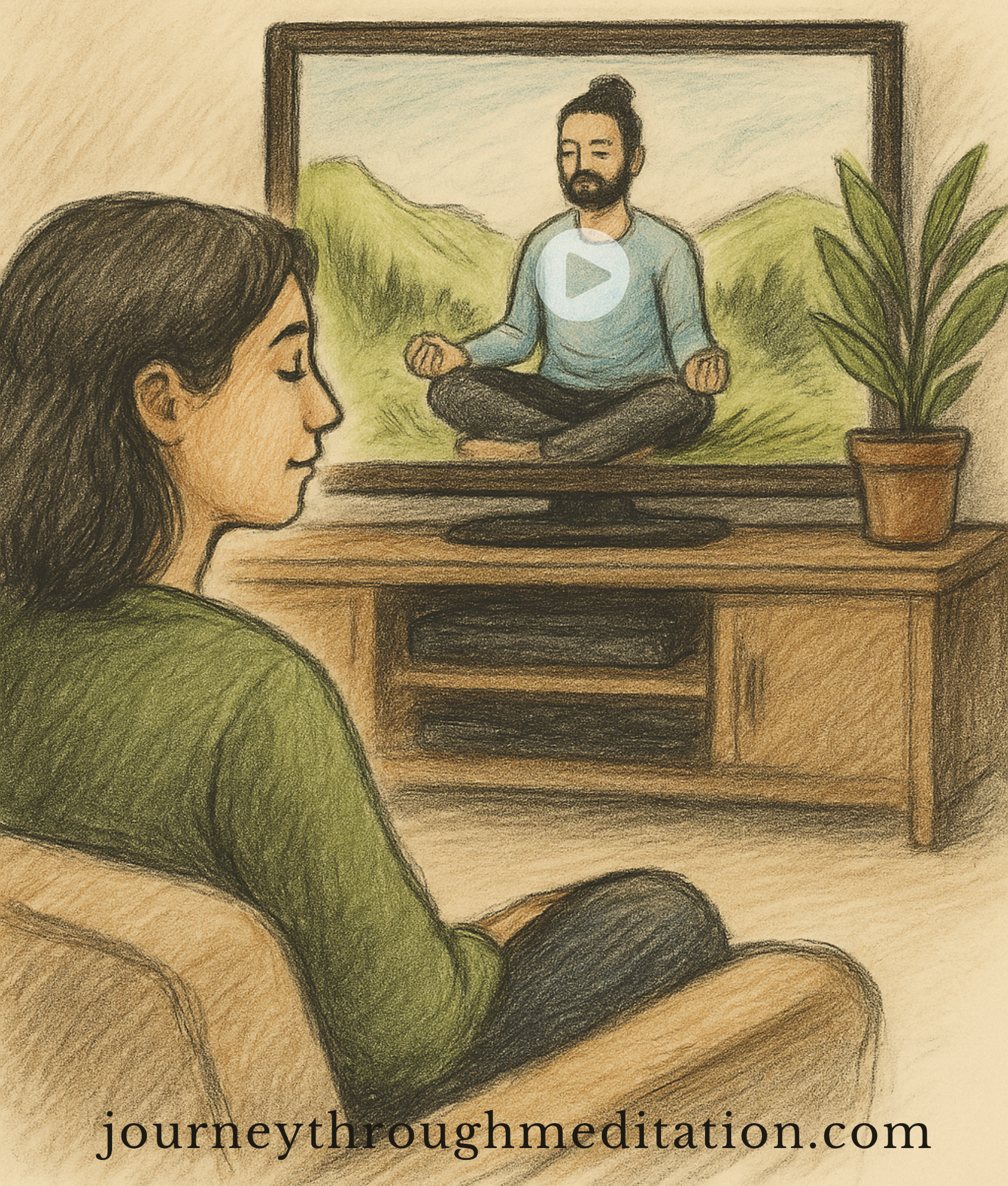
Feeling drained or tense lately? Mindfulness might be the small daily shift your body and mind are craving. Explore easy-to-follow mindfulness practices that help you recharge, reduce stress, and move through your day with more focus and calm.

Mornings shape everything that follows. Instead of rushing, try these 5 simple mindfulness rituals to start your day calm, focused, and energized. Small shifts can transform stress into presence—without overhauling your entire routine.
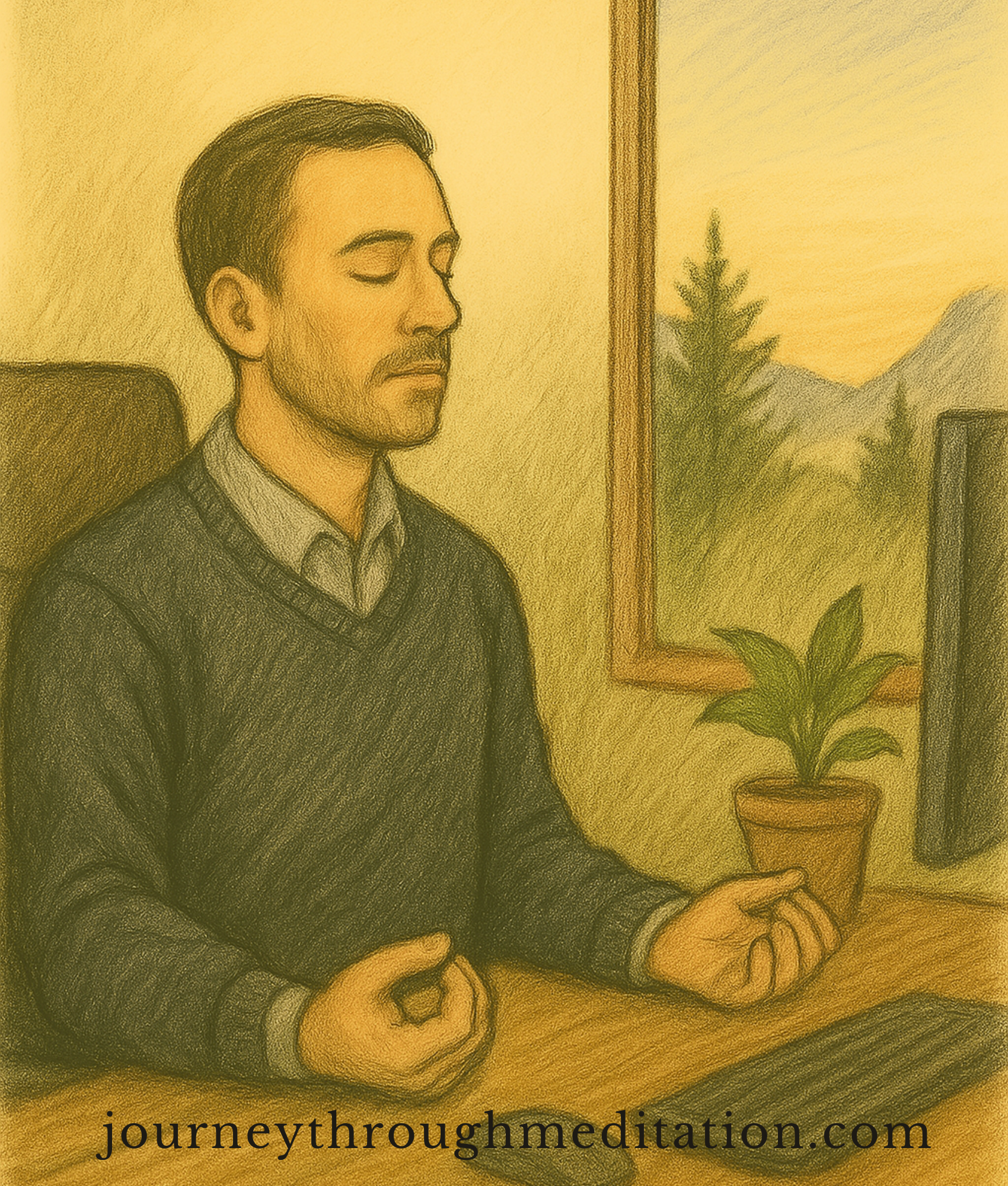
Think you’re too busy to meditate? Just 10 minutes a day, even in the middle of a work day, can reset your mind, reduce stress, and improve focus.

Hitting snooze feels tempting, but those extra minutes rarely leave anyone more rested. Instead, five minutes of morning meditation can reset the mind, sharpen focus, and set a calm tone for the entire day. This small shift transforms mornings from groggy to grounded.

A consistent meditation routine can transform your days, bringing clarity and calm. In this post, we share practical steps to build a practice that lasts. Start small, grow steadily, and enjoy the benefits.

A mindful routine doesn’t require perfection—just presence. This guide explores six simple daily practices that support clarity, nourishment, and rest. Learn how small choices, repeated consistently, can create powerful momentum for inner balance.
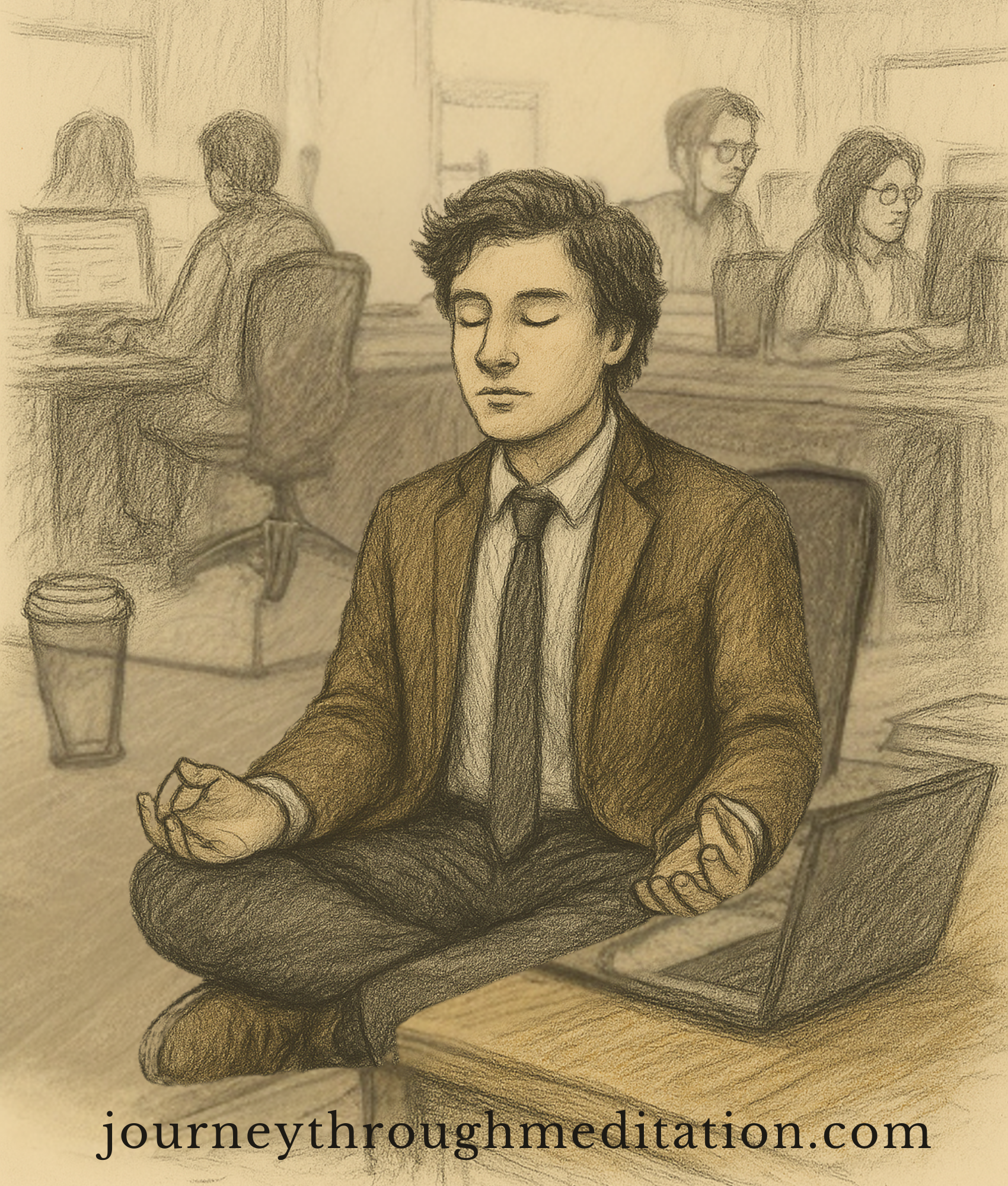
Think you’re too busy to meditate? Think again. This post shows you how to build a simple, no-pressure meditation routine that fits into your daily life — even if you only have 5 minutes. Perfect for beginners and anyone looking for calm in a chaotic schedule.
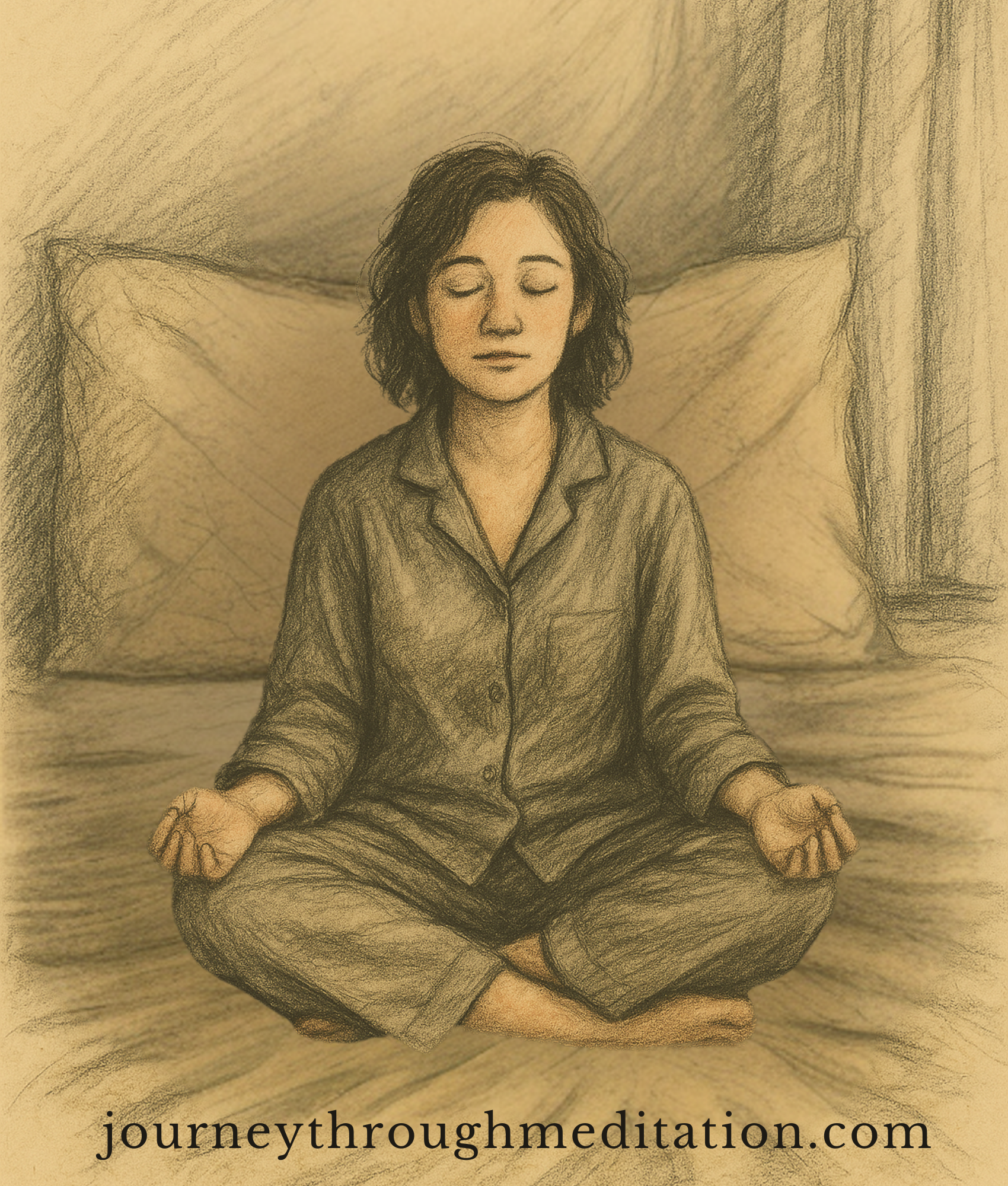
Think you need a calm, quiet morning to meditate? Think again. This post explores why your practice doesn’t need to be perfect to be powerful, and how short, flexible moments of presence can make all the difference in real life.
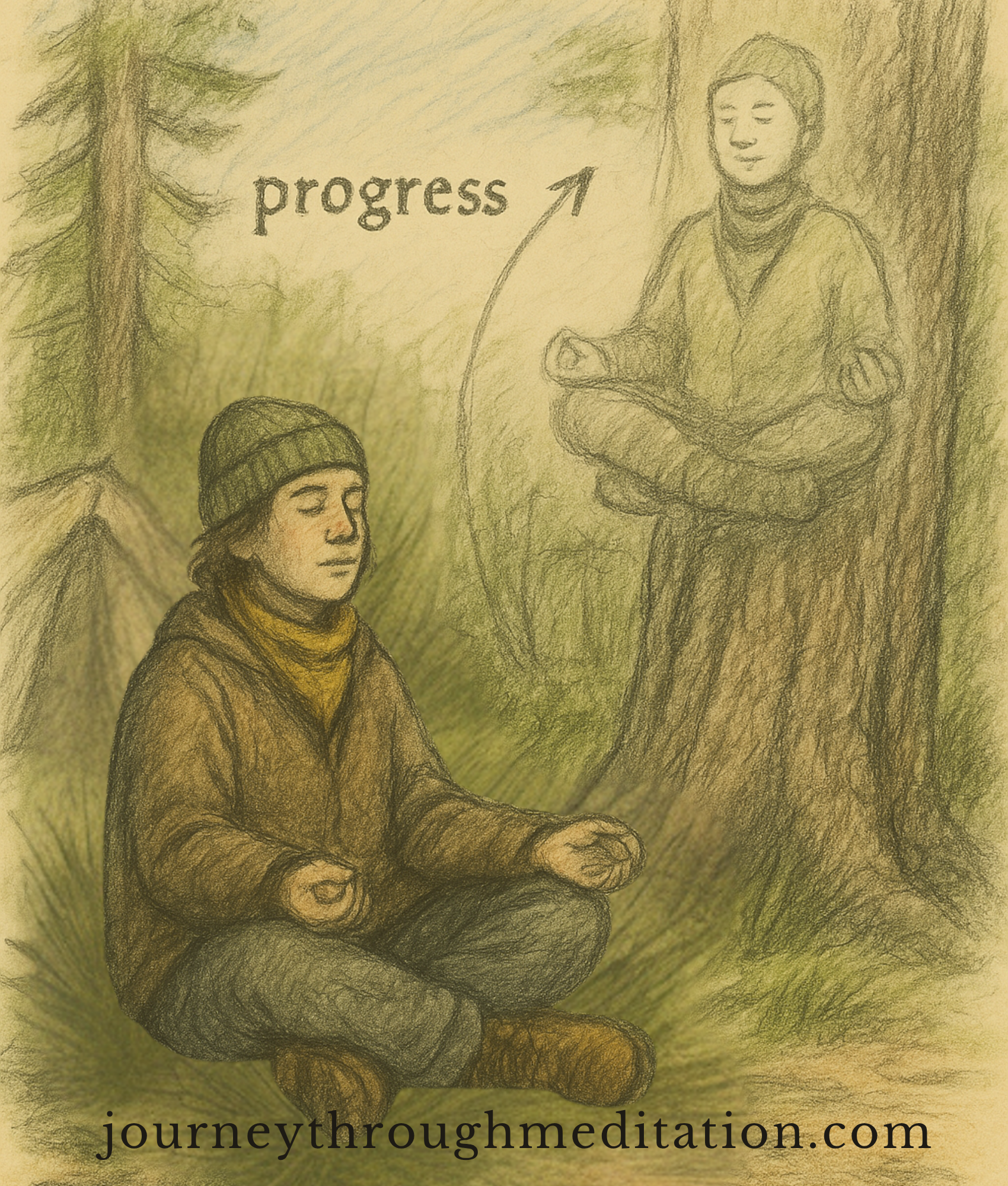
Meditation growth can be quiet and hard to spot—but that doesn’t mean it’s not happening. In this post, we explore the subtle signs of progress in your practice, from increased patience to softer self-awareness, and offer tips for staying motivated when your sessions feel uneventful.
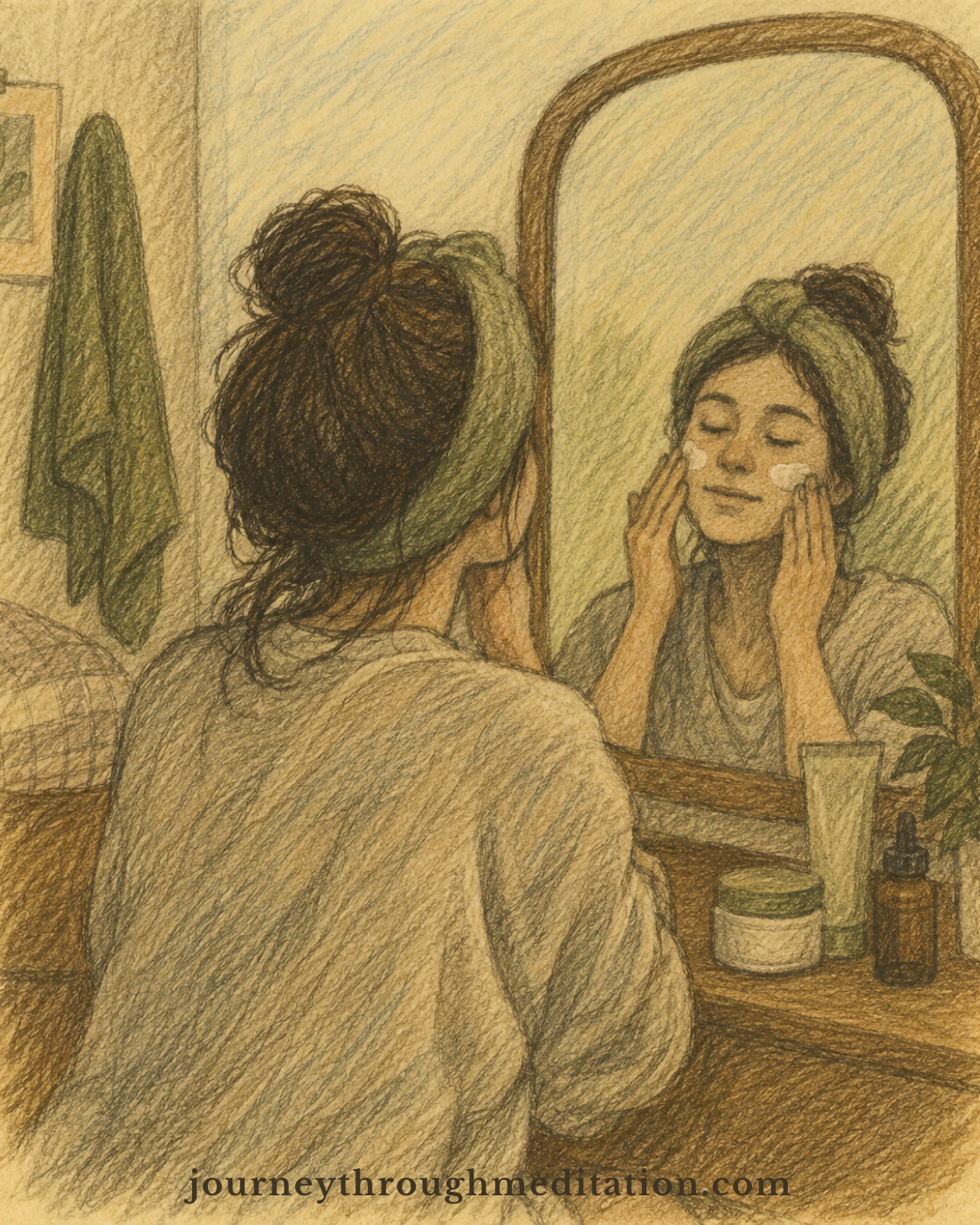
Building a daily meditation habit doesn’t have to be rigid or overwhelming. In this post, explore simple ways to create a practice that fits your life—whether it’s two mindful breaths in the morning or a quick pause at lunch. Let your habit grow naturally, without the pressure to be perfect.
Boredom in meditation is more common than you think—and it doesn’t mean your practice is failing. In this post, we explore how to use boredom as a doorway to deeper presence and offer subtle shifts to keep your routine feeling fresh, even when it gets repetitive.

The way you end your day affects how well you sleep and how you feel the next morning. If stress and racing thoughts keep you up at night, meditation can help you transition into a restful state. In this post, we explore why evening meditation is so powerful and how to easily incorporate it into your nightly routine.
Mornings can feel rushed, but a few mindful moments can transform your entire day. Whether you have time for deep breathing, intention-setting, or a quiet cup of tea, these simple morning meditation hacks help you feel more grounded, focused, and present. Try one tomorrow and see how it shifts your mindset!
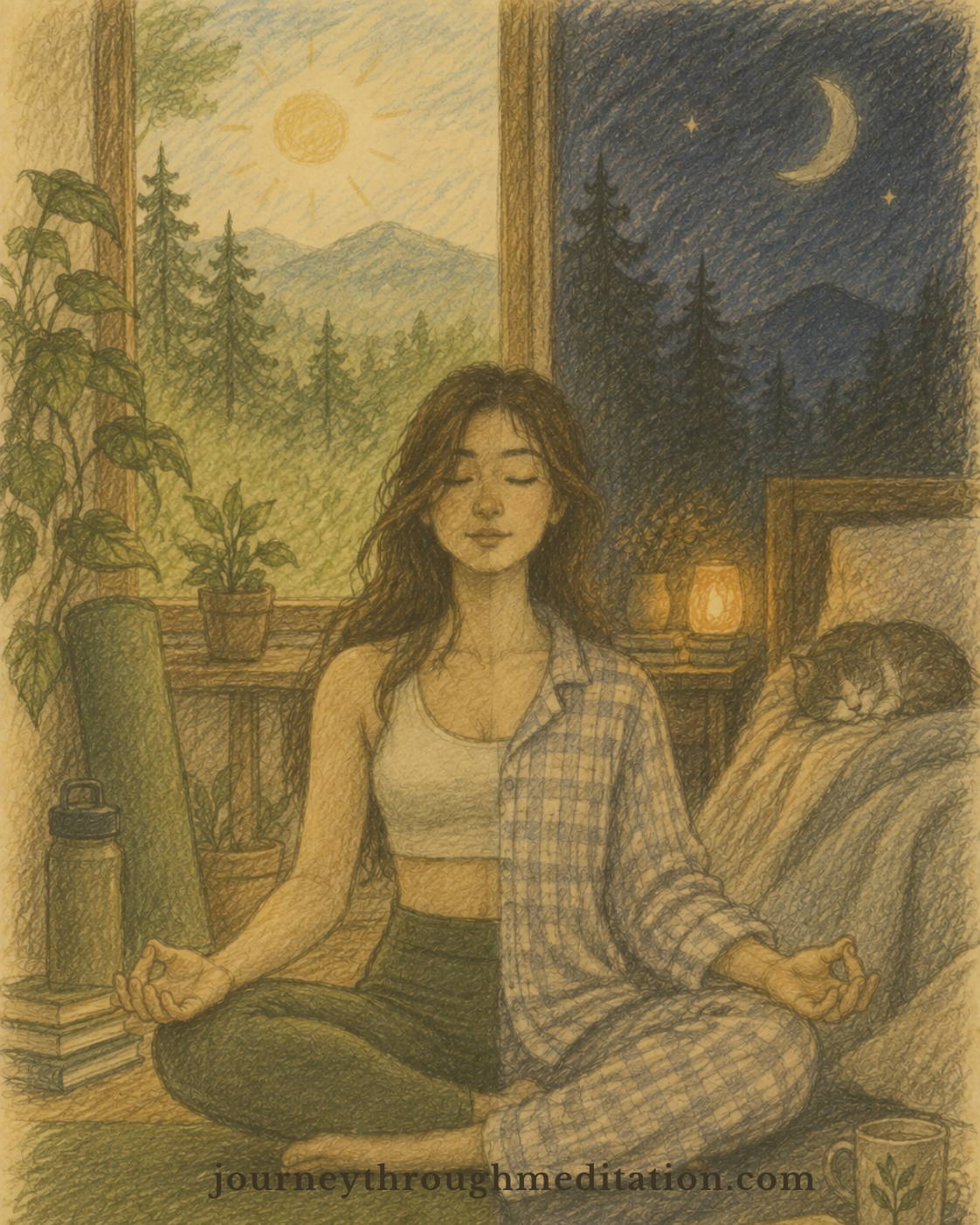
Wondering whether to meditate in the morning or evening? Both have unique benefits—morning meditation helps set a focused and productive tone for the day, while evening meditation promotes relaxation and better sleep. This guide explores the advantages of each and helps you decide which is best for your lifestyle, energy levels, and personal goals.
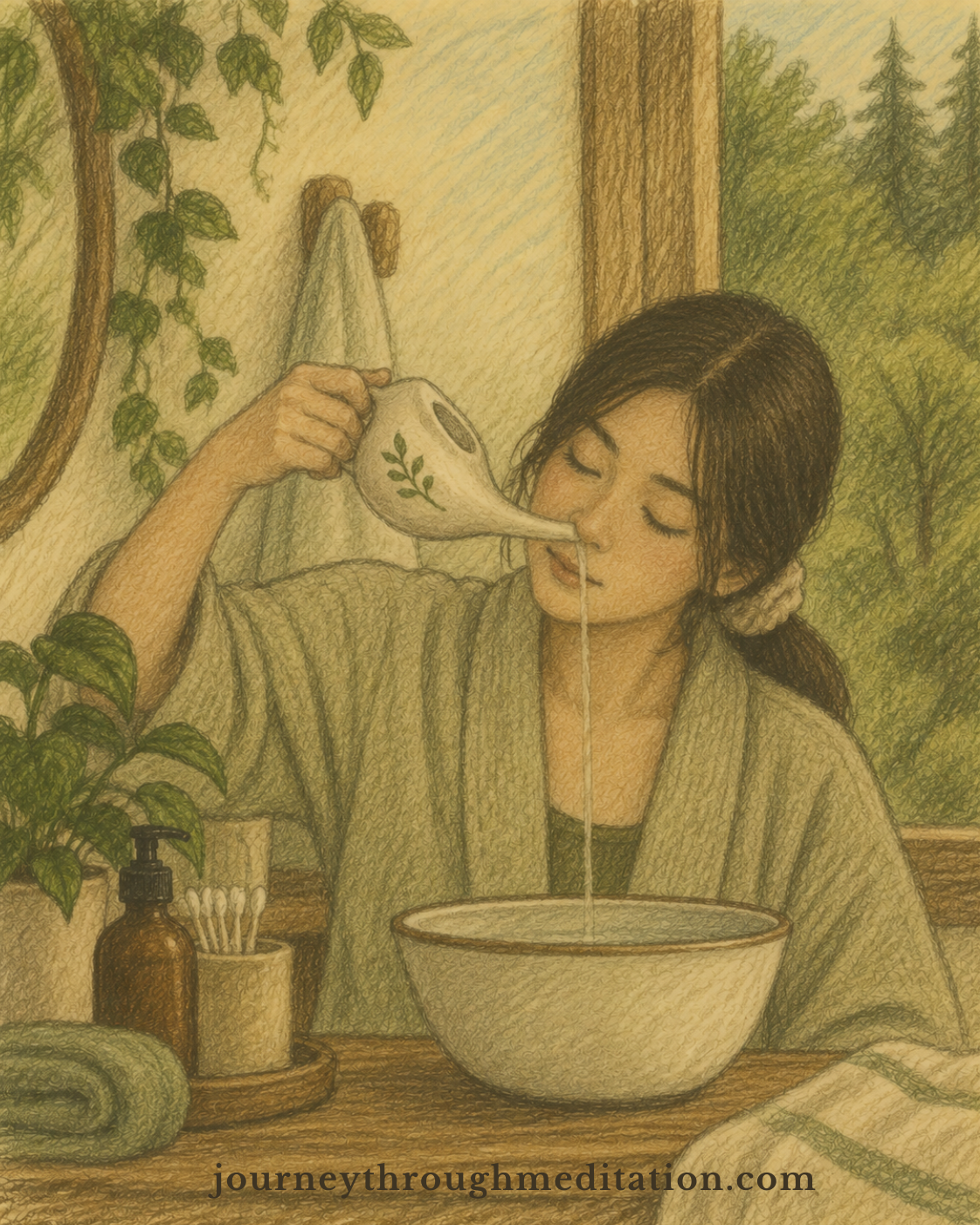
Imagine breathing in air as pure as that found on a Himalayan mountaintop—a serene, uninterrupted flow of breath. Unfortunately, most of us live amid urban pollution, allergens, or household dust that can block and irritate our airways, hindering the quality of our meditation practice. That’s why nasal cleansing, or neti, is such a valuable tool for modern meditators. In this article, we’ll guide you through the practice of neti, one of yoga’s ancient internal cleansing techniques, to help you breathe deeply, clear your sinuses, and prepare for a more focused meditation.

Struggling to make meditation a daily habit? You’re not alone. Many people start with good intentions but find it hard to stay consistent. In this guide, discover simple, effective ways to integrate meditation into your routine—without it feeling like a chore. From setting reminders to creating a dedicated space, these tips will help you build a practice that sticks for the long haul.

Struggling to stay consistent with meditation? You’re not alone. With busy schedules and endless distractions, making time for mindfulness can feel impossible. But meditation doesn’t have to be all or nothing. In this guide, discover simple, practical ways to weave meditation into your daily routine—without adding stress. Whether it’s a one-minute breathing exercise or mindful moments during everyday tasks, these small shifts will help you build a sustainable practice that lasts.

Smudging, the ancient practice of burning herbs like sage and cedar, has long been used to cleanse the spiritual energy of spaces, from homes to offices. Originating with Indigenous peoples of North America, smudging is believed to clear away negativity, boost positivity, and may even help remove airborne pathogens. Research suggests that sage smoke can significantly reduce bacteria in the air, which may also aid with allergies and mood. In this article, we’ll explore the roots, benefits, and methods of smudging for a purified, uplifting environment.

Oil pulling, the ancient practice of swishing oil in your mouth, has made a comeback in natural health routines. While the experience may take some getting used to, the benefits make it worthwhile. From reducing bacteria and bad breath to protecting gums and preventing cavities, oil pulling is a powerful tool for oral hygiene. In this article, we’ll dive into how oil pulling works, its history in Ayurvedic practice, and practical tips to help you integrate it into your daily self-care routine.
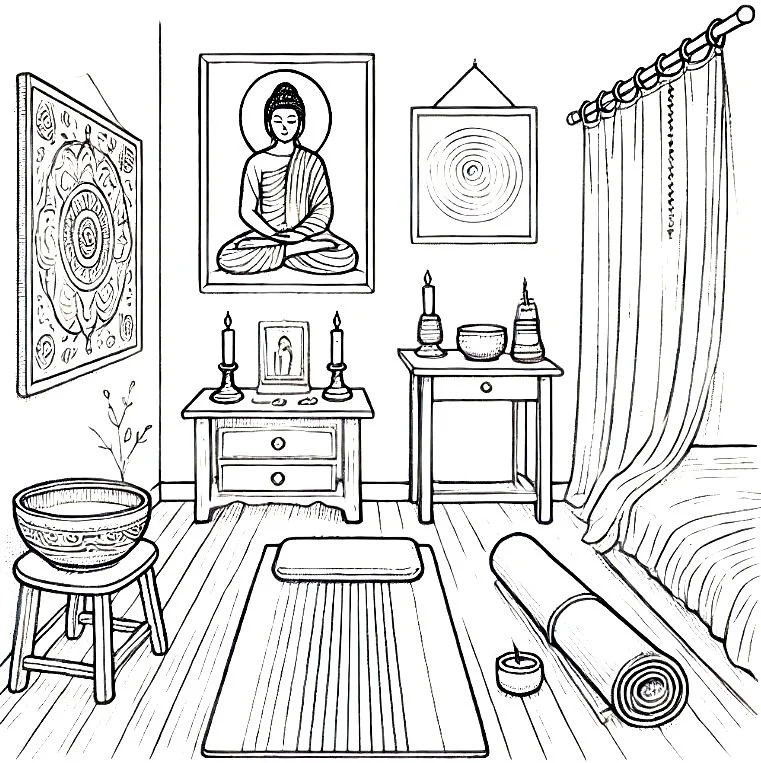
Creating the perfect meditation space is an essential step in building a consistent practice. While meditation can happen anywhere, choosing a clean, quiet, and visually calming location can greatly enhance your focus and sense of peace. Minimalism plays a vital role—clear out clutter and embrace simplicity to cultivate a tranquil atmosphere. Engage all your senses with meaningful decorations, calming scents, gentle sounds, and comfortable seating. By designing a space that resonates with you, you set the foundation for a deeply rewarding meditation practice.
Tools for Everyday Mindfulness

In a noisy world, silence can feel impossible—but not all stillness is silent. The Tibetan Singing Bowl offers a simple yet powerful way to calm the mind and ground the spirit through sound and vibration. Discover why this ancient mindfulness tool is taking center stage in 2025 for those seeking peace in everyday life.

Anxiety can feel overwhelming, but the right music helps calm the storm. These meditation playlists are crafted to ease stress, quiet racing thoughts, and restore focus. Simple, soothing, and backed by mindful practice—they actually work.
Small, daily mindfulness practices can transform routines into calm, focused, and joyful moments. Explore tools like breathing anchors, journaling, and mindful movement. Practical tips to weave meditation into everyday life.

The day can feel like a blur of to-do lists, chores, and deadlines — but mindfulness offers another way. By turning everyday habits into anchors of presence, even the simplest rituals become opportunities for calm. From savoring a cup of tea to noticing the rhythm of your morning shower, ordinary routines can transform into mindful moments that bring clarity, stillness, and peace.

Scrolling is easy; feeling present is easier than it seems. The “Screens to Senses” swap turns one mindless scroll into a mindful sensory check-in—no extra time required. Try a one-minute reset to steady the mind and soften stress.

Feeling overwhelmed by constant notifications and digital noise? A digital detox offers more than a break — it’s a reset for your mind, emotions, and connections. Learn why and how to start.
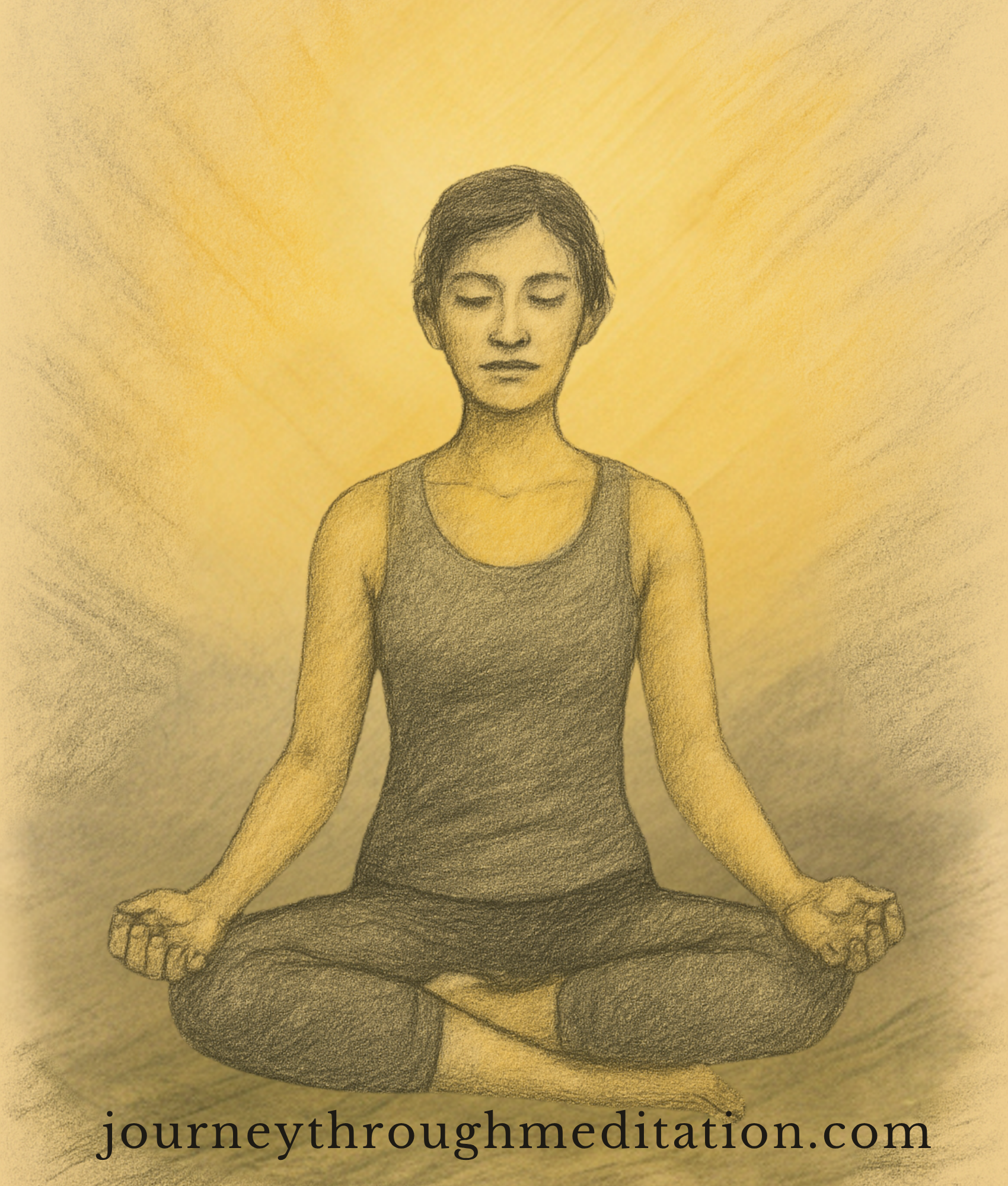
Embodiment is the practice of bringing awareness back into the body—of feeling, sensing, and grounding yourself in the present moment. In this post, you’ll explore what embodiment really means, why it matters in meditation, and how simple daily practices can help you reconnect with yourself in a deeper, more compassionate way.
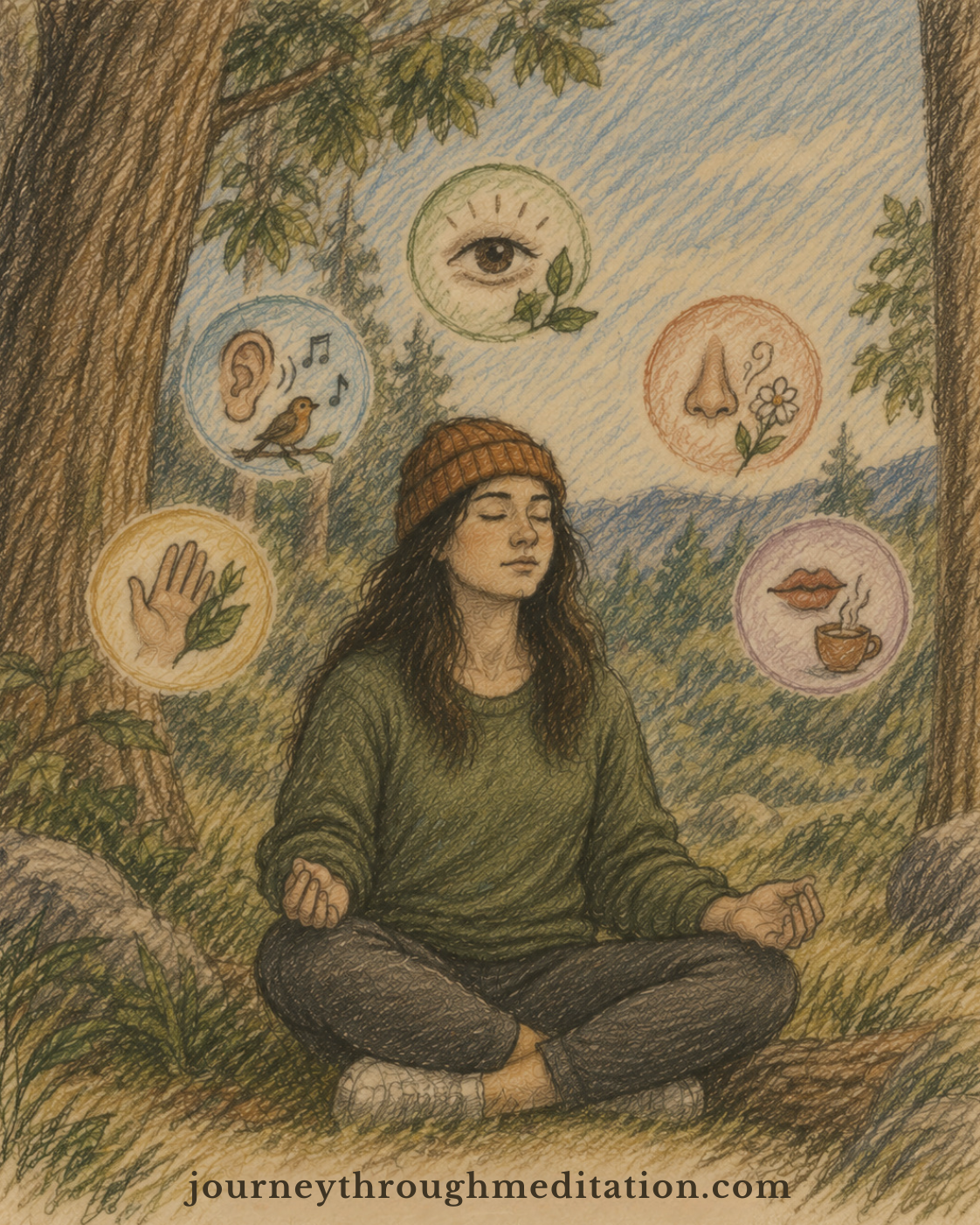
When your thoughts are racing or you feel disconnected, the five senses meditation offers a simple way to come back to the present moment. In this post, learn how to use sight, sound, touch, smell, and taste as anchors for awareness—no cushion or quiet room required. It’s mindfulness you can practice anytime, anywhere.

You don’t need 30 minutes of silence to experience the benefits of meditation. In this post, we explore the power of micro-meditations—simple one-minute practices you can use anytime during the day to reset your mind and reconnect with yourself.

Most people treat commuting as wasted time—but it doesn’t have to be. Whether you’re behind the wheel, riding the bus, or walking to work, your daily travel can become a mindfulness practice. This post explores how to bring presence and intention into your commute and why those in-between moments may be the perfect time to meditate.

Meditation is simple, but the right tools can make it easier and more enjoyable. Whether you’re looking for better posture support, a way to time your sessions, or sensory elements to deepen relaxation, certain meditation props can transform your practice. In this guide, we explore the best cushions, timers, and accessories to help you meditate with greater ease and consistency.
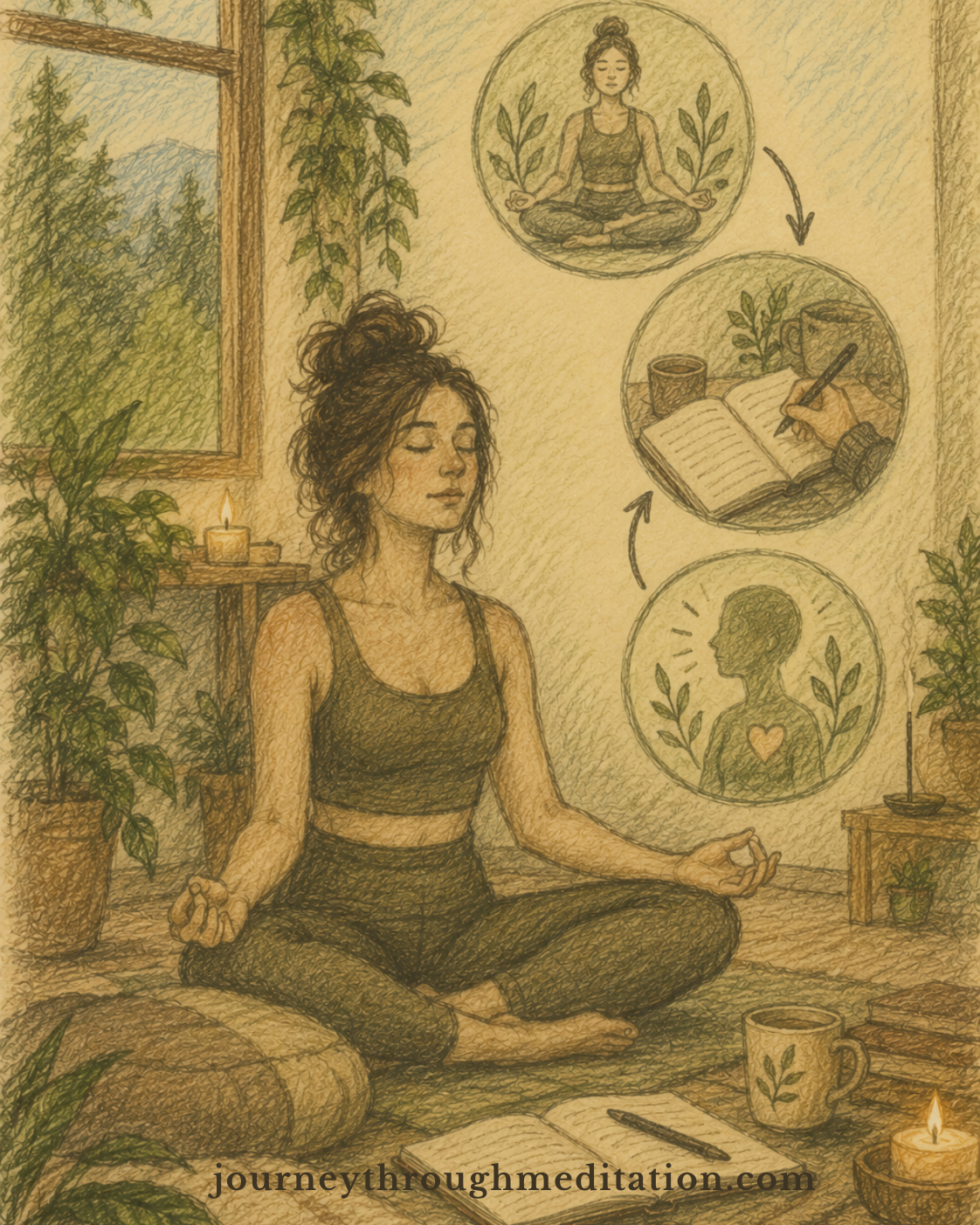
Meditation helps us quiet the mind, while journaling gives us space to process and express what arises. When combined, these two practices create a powerful tool for self-reflection and personal growth. Whether you journal before, after, or as a meditation practice itself, this guide will help you find a rhythm that works for you.

Discover the subtle yet impactful distinctions between meditation and mindfulness. While often used interchangeably, these practices vary in direction, method, and outcomes, each bringing unique benefits. Learn how meditation turns attention inward for focused calm, while mindfulness keeps awareness open to the present.

In this article, we’ll consider some principles of mindful eating, focusing on how to approach food with greater awareness and balance. By learning to listen to your body, evaluate nutrition advice, and honor your unique needs, you can transform mealtime into an act of meditation and self-care.

The rise of veganism is transforming our approach to health and wellness. While meat-based diets offer benefits like protein and satiety, many are finding that vegan diets provide rich nutrients, fiber, and potential health protections against chronic diseases. For those exploring vegan eating, understanding the unique benefits and practical aspects can make this lifestyle feel satisfying and accessible. Here’s a look at what you need to know about the advantages of a vegan diet.

Mindfulness meditation is quite simple.
Initially, you’ll want to find a location where you can practice — ideally some place that is quiet and uplifting.
If you’re new to mindfulness meditation, start with 5 or 10 minutes at first.
Once you have learned the fundamentals, you can return to the practice and add more time.
Just follow along with these steps, and very soon you will become competent at the practice…

Mantras are powerful tools for meditation, designed to focus and still the mind. Whether it’s the deliberate repetition of a japa mantra or the effortless awareness of an ajapa-japa mantra, each category offers unique paths to deeper meditation. By moving from intentional repetition to natural resonance, mantras can guide you from sound to silence, unlocking profound inner peace.
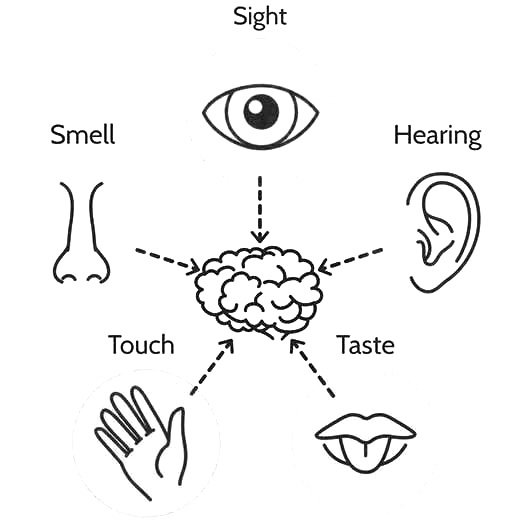
Mindfulness transforms everyday activities into opportunities for connection and presence. By engaging your senses—sight, hearing, touch, smell, and taste—you can enrich your experience of the world and ground yourself in the beauty of the present moment. Whether noticing the colors of objects, savoring the flavor of a meal, or feeling the texture of a surface, mindful attention awakens you to a richer, fuller, and more meaningful life.
Deeper Spirituality

Modern life can make us feel isolated and detached—from others, our purpose, even ourselves. Meditation offers a path back to connection, quieting the noise and awakening a sense of belonging to something greater. In just a few mindful moments each day, you can rediscover presence, clarity, and peace.
Spiritual awakening often feels messy and confusing — like your world is falling apart. But beneath the chaos lies transformation. Learn how meditation helps heal, ground, and guide you back to your true self through every stage of awakening.

Mindfulness meditation goes beyond stress relief — it opens the door to spiritual growth. Learn how simple practices can help deepen self-awareness, compassion, and inner peace. This guide explores practical ways to strengthen your spiritual journey.

Ever feel a pull toward something larger than yourself? Much like the moon governs the tides, meditation can sync your personal energy with the vast rhythms of the universe.

A simple before‑sleep fire ritual helps release the day’s weight and signal the body to rest. This gentle, candle‑centered practice turns rumination into calm and supports clearer mornings. Pair it with Journey Through Meditation for step‑by‑step guidance.

True spirituality isn’t found only in rituals or retreats—it’s woven into the choices and awareness brought to each day. From listening deeply to practicing intentional pauses, small moments can lead to profound connection. Explore gentle, grounded ways to bring deeper meaning into everyday life.

Symbols like mandalas and yantras can serve as powerful tools for focus and transformation. These sacred geometric patterns have been used for centuries to center the mind and unlock deeper states of awareness. Whether you gaze, visualize, or create them, incorporating these symbols into your meditation can enhance your practice in profound ways.
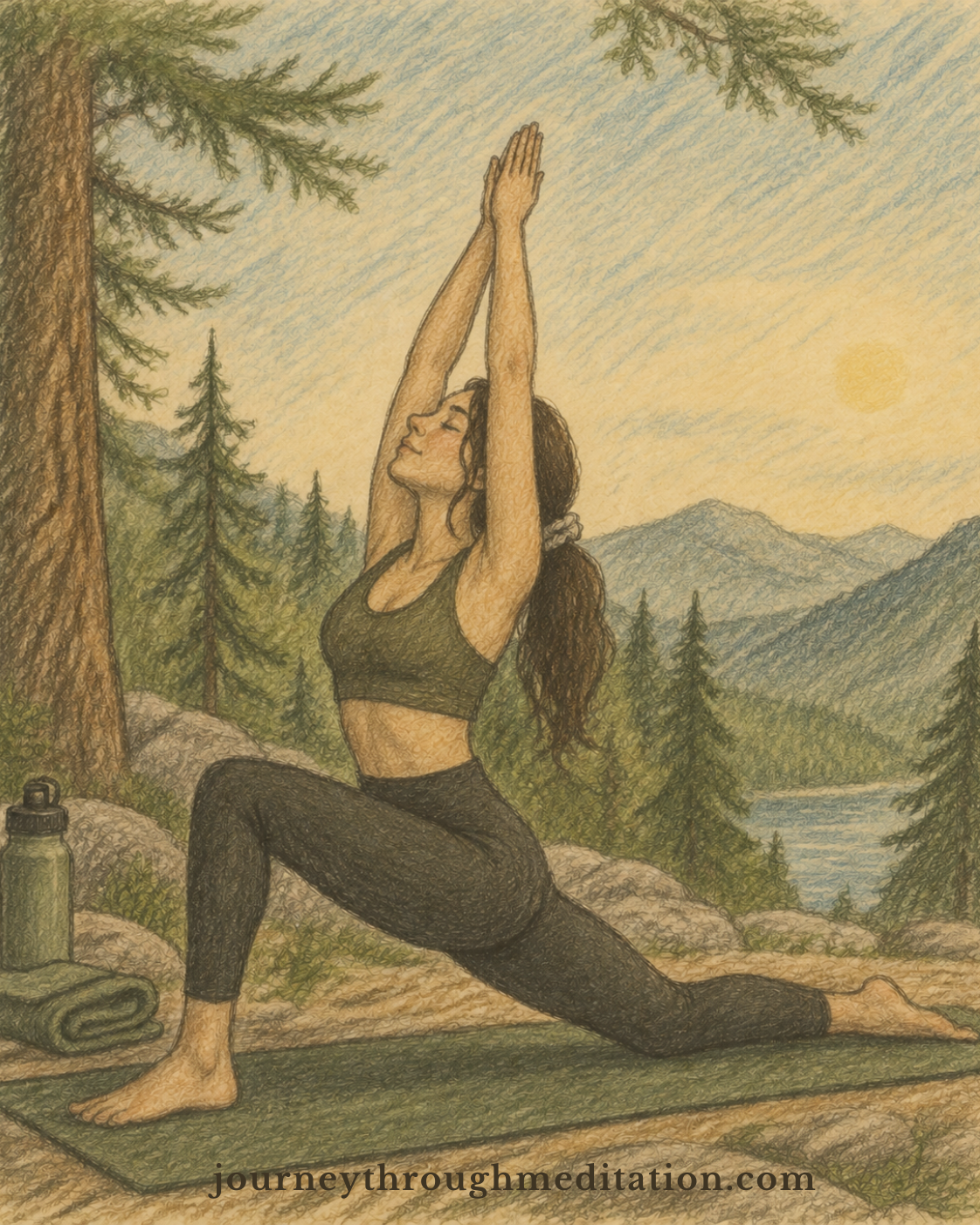
Many of us begin our yoga journey thinking it’s all about physical fitness — but yoga is so much more. Rooted in ancient wisdom, yoga offers a holistic path to purify the body, mind, and spirit. This post explores Patanjali's eight limbs of yoga, a guide to experiencing the true depth of yoga practice beyond just asanas. Discover the transformative stages, from physical postures to meditation and blissful transcendence.

Tarot is a powerful complement to meditation—it’s a gateway to self-reflection and spiritual growth. This guide explores the Major and Minor Arcana, the elements within the Tarot suits, and simple three-card spreads to enhance your readings. Learn how to integrate Tarot into daily, weekly, and monthly reflections, and discover how meditation can deepen your connection to the cards. Whether you're new to Tarot or looking to expand your practice, this introduction provides a foundation for meaningful insight.
Yoga is often seen as just a physical practice, but it’s much more—a journey to higher knowledge and deeper self-understanding. Picture yoga as a mountain path: the summit represents spiritual growth, with different paths to reach it. Each traditional path—whether through physical postures, meditation, selfless service, devotion, or knowledge—guides us to connect more fully with ourselves and the world. In this article, we explore five key paths of yoga—Hatha, Raja, Karma, Bhakti, and Jnana—offering insights into how each approach supports spiritual transformation. Discover which path resonates most with you as you embark on your journey.

Purification in yoga goes far beyond physical fitness; it's a holistic process that refines actions, body, breath, mind, and spirit to foster self-knowledge and inner peace. By understanding and practicing these five levels of purification, you can move closer to a balanced and enlightened state. Each level represents a vital part of this journey: from ethical conduct and physical fitness to breathwork, mindfulness, and spiritual meditation. In this article, we’ll explore how each level contributes to the ultimate goal of yoga—achieving unity within yourself and with the world around you.
Find out how the number three shapes our world in ways both profound and practical. From ancient philosophy and religious beliefs to the rules of art, nature, and science, the number three is a guiding principle that we see everywhere. Whether it's the structure of stories, the primary colors in painting, or the trinity in spiritual teachings, three is a universal symbol of balance and completeness. In this article, we’ll explore the magic of three and learn how to use it to bring more harmony into our lives.
Stress Relief & Relaxation

When stress takes over, even simple tasks can feel impossible. These seven mindful habits are practical, science-backed ways to calm your nervous system and refocus your mind. Learn how small, consistent shifts in your daily routine can help you regain clarity and balance.

When life feels like too much, even five minutes of mindful breathing can change everything. This simple guided meditation helps you reset your mood, calm your thoughts, and reconnect with the present moment—anytime, anywhere. Give yourself permission to pause and find peace again.

Tired but wide awake? This simple 5-minute mindfulness meditation before bed helps quiet racing thoughts and ease the body into deep rest. Discover how a short bedtime ritual can transform restless nights into peaceful sleep.

Burnout doesn’t always need a retreat or weekend getaway. Sometimes, the cure is just a breath away—right at your desk. With simple, desk-friendly meditation practices, stress softens, focus sharpens, and workdays feel lighter.

Feeling overwhelmed but short on time? These quick 5-minute relaxation practices can help you reset, recharge, and refocus during stressful days. Simple, effective, and easy to weave into any routine.
Stress can feel like an uninvited guest in everyday life, but it doesn’t have to stay. This guide shares simple yet powerful ways to invite more calm into your day. Learn easy, natural habits to release tension and make relaxation part of your routine.

What really happens in your brain when you meditate? Learn the powerful mental and emotional shifts that take place—and how meditation rewires your mind for peace.

Meditation is one of the best ways to calm anxiety—but what if sitting still feels impossible? Instead of forcing traditional meditation, try approaches designed for anxious moments, like mindful breathing, movement-based meditation, and grounding techniques. Here’s how to make meditation easier when your mind won’t slow down.

Stress can fuel creativity and productivity, yet when unmanaged, it can negatively impact your well-being. Meditation is a proven method for reducing stress, but there are also techniques you can use throughout the day to keep stress in check. One powerful method is Progressive Muscle Relaxation, a “tense and release” technique that relieves tension in specific muscle groups, leaving you feeling more at ease and focused. In this article, we’ll dive into the benefits of this simple practice and outline a step-by-step guide to help you integrate it into your daily life.

Our brains operate across a spectrum of five primary brainwave frequencies: delta, theta, alpha, beta, and gamma. Each frequency is associated with a specific mental state, from deep sleep to peak alertness. Brainwaves naturally shift based on our activities and environment, but there are ways to intentionally synchronize these waves to reach desired states, such as relaxation, meditation, or heightened focus. This process, known as brainwave entrainment, uses external stimuli like sound and music to harmonize brain frequencies. In this guide, we explore each brainwave state and how it influences our daily experiences.

The idea that there exists three separate energies within the being is perhaps best articulated by traditional Chinese medicine.
Traditional Chinese medicine calls these three energies the "three treasures."
The following are the three treasures, and I want to use a candle as an analogy to describe each one of them:

Discover the ancient practice of Qigong, a holistic approach to harmonizing body, breath, and mind that dates back over 4,000 years. Rooted in Chinese traditions, Qigong offers a simple, cost-free way to enhance physical and mental health by restoring the flow of vital energy, or "qi," within the body. Learn how this transformative practice works to alleviate symptoms, improve well-being, and unlock your body's natural healing potential.
Connect with Nature

Feeling overwhelmed by constant noise and digital stress? Step outside. Discover how nature becomes your best meditation partner — grounding your thoughts, calming your mind, and reconnecting you to a deeper sense of peace and presence that screens can’t offer.

When the rain starts to fall, something in the world slows down — and so can the mind. The gentle rhythm of raindrops can help ease anxious thoughts, offering a simple yet powerful way to reconnect with peace. Discover how tuning in to nature’s sounds can become your new favorite form of meditation.
Anxiety often pulls us out of the present moment, but nature has a way of grounding us. Guided meditation outdoors combines mindfulness with the healing energy of natural surroundings, helping you restore balance and peace. Explore how connecting with the earth calms your mind and supports emotional well-being.

Walking barefoot may seem simple, but it holds powerful benefits for clarity, grounding, and stress relief. When paired with transcendental meditation, it becomes a transcendental practice that aligns body, mind, and nature. Learn how this ancient habit can reset modern life.

Nature has a quiet power that grounds us when life feels overwhelming. By simply pausing to breathe with the trees, we can reconnect to balance, peace, and clarity. This practice helps reduce stress, calm the mind, and remind us of our deep connection to the earth.

Modern life often pulls attention away from what matters most. Nature offers a simple, accessible way to return to calm and presence. This post shares easy, grounding practices you can integrate into your day—no forest retreat required.
Need peace but can’t escape to the mountains? These 5 easy nature meditation practices can be done at a park, in your backyard, or even on a quiet walk.
Nature moves in cycles—and your meditation practice can too. In this post, explore how to align your meditation with the rhythm of the seasons, from spring’s renewal to winter’s deep rest. A gentle guide to making your practice feel more natural, intuitive, and alive.
Stillness doesn’t have to mean silence. From birdsong to flowing streams, nature sounds offer a powerful way to deepen your meditation practice. In this post, learn how to work with sound as a tool for mindfulness, even if you’re far from the forest.

Nature has long been a source of spiritual insight, offering silent yet profound lessons in presence, patience, and change. Unlike structured meditation, it teaches through direct experience—through the stillness of landscapes, the movement of water, and the rhythms of weather. This post explores how the natural world can become your greatest meditation teacher.

Many of us grew up playing outdoors, building rock bridges in streams, and exploring the woods behind our homes. Yet, as digital lifestyles and urbanization pull us indoors, we’ve seen a rise in what Richard Louv calls “Nature Deficit Disorder.” The good news? Reconnecting with nature can be transformative. Forest bathing, a practice rooted in Japanese medicine, is scientifically proven to reduce stress, improve breathing, and even boost immune function. Whether it's a walk in the woods or simply breathing in the forest air, the benefits are profound. Here's how you can embrace nature and start forest bathing today!
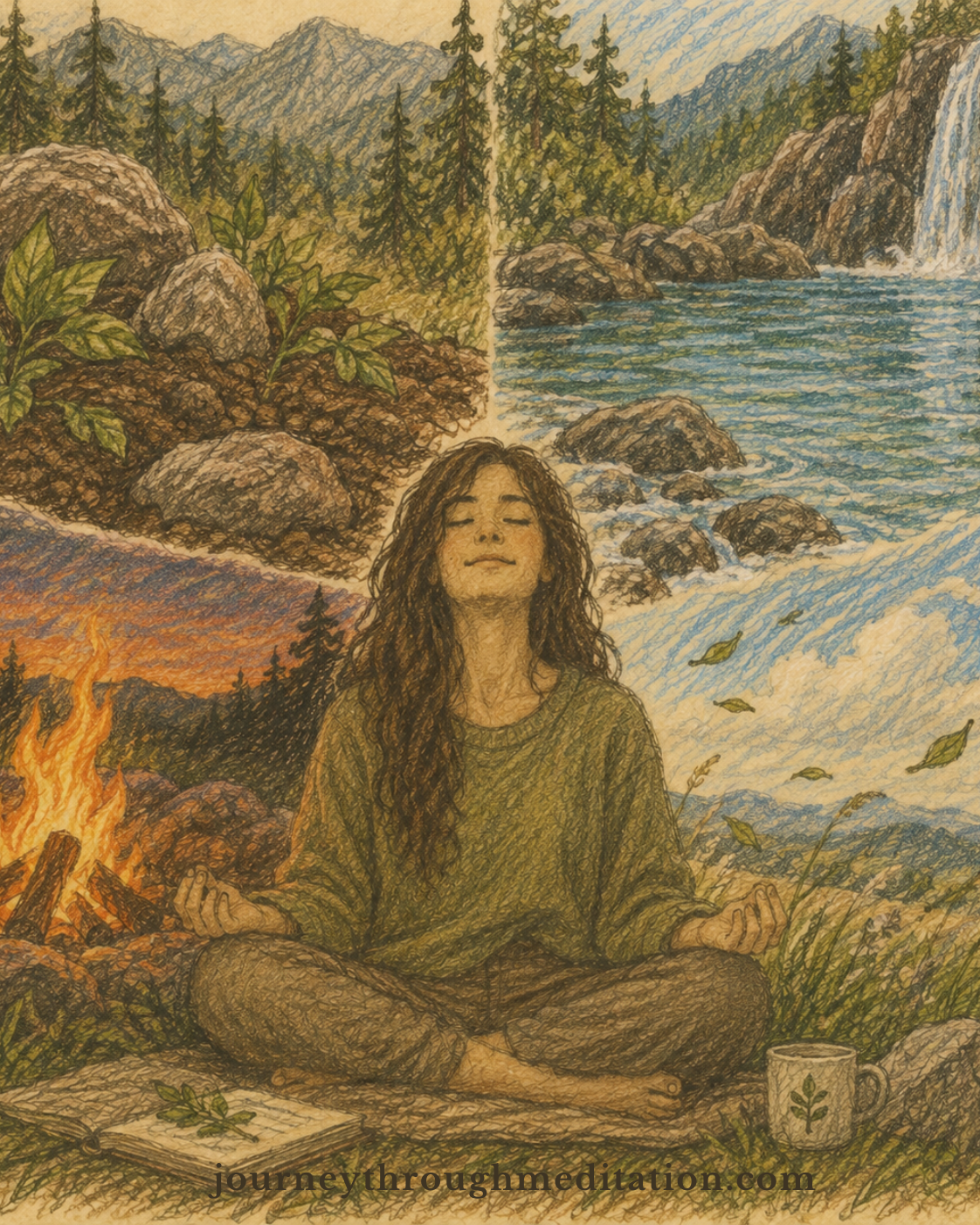
Meditation is a practice that aids in calming the mind; however, it is deeply connected to our physical experience, such as nature and the elements. Earth provides grounding, Water nurtures emotional flow, Fire fuels transformation, and Air expands awareness. In this guide, explore how to incorporate the four elements into your meditation practice to bring balance, clarity, and deeper self-connection.

Meditation in nature offers a unique way to deepen mindfulness, bringing a sense of calm that’s hard to replicate indoors. The rustling leaves, ocean waves, and fresh air provide a natural rhythm that helps quiet the mind. Living in Topanga Canyon, I’ve found that meditating outdoors strengthens my connection to both myself and the world around me. Whether in a forest, by the ocean, or in your own backyard, this guide explores how nature enhances mindfulness and how to integrate the elements into your practice.
Finding the right meditation pose can transform your practice. Whether you sit, stand, or lie down, each position carries unique benefits for focus and relaxation. Explore which posture fits your lifestyle and deepens your mindfulness journey.