
When the Heat Asks You to Slow Down
This week in Topanga, I spent hours clearing brush on the hillside in the high heat.
The work needed to be done, but by the end of it my body was clearly telling me I had crossed a line. I was overheated, irritated, and later realized I had picked up a rash from the brush.
At first, I wanted to treat it like another thing to push through.
But the heat has a way of making imbalance obvious.
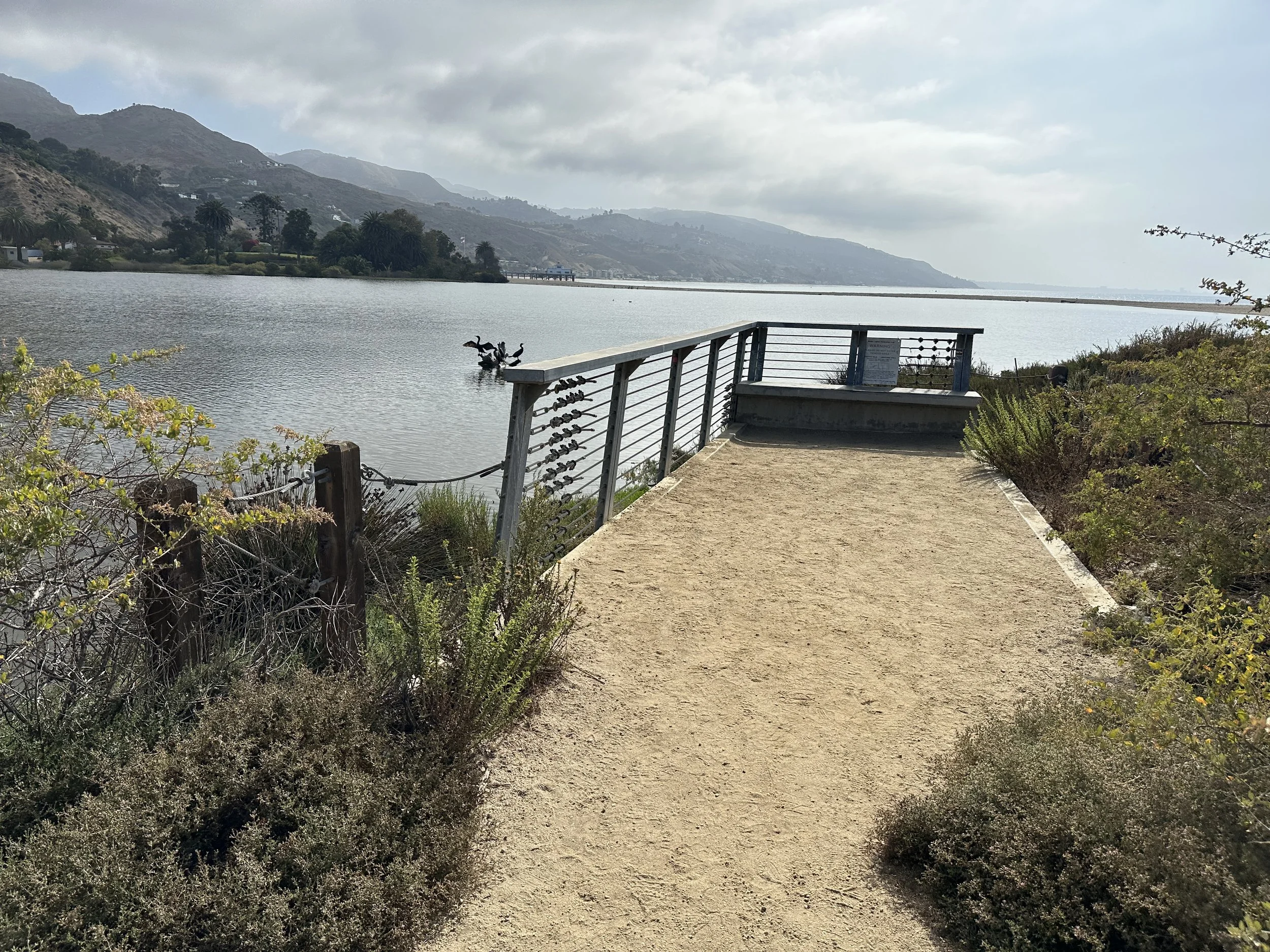
Later, we went to the beach to cool down. Walking near the lagoon and getting into the salt water reminded me that resilience is not always about enduring more.
Sometimes the practice is knowing when to stop, cool down, and come back into balance.
The Insight
Heat has a way of stripping away the illusion that we can keep pushing forever.
When I’m clearing brush, there is always one more section to cut, one more pile to move, one more slope to finish. The mind wants to keep going because the task is visible and unfinished.
But the body has its own intelligence.
It tells us when we have crossed from effort into strain.
That is easy to ignore when we are trying to be productive. But meditation keeps pointing me back to the same lesson: awareness includes the body. The heat, the skin, the breath, the irritation, the fatigue — all of it belongs to the practice.
Balance is not something we find after the work is done.
Sometimes balance is what tells us when to stop.
The Practice
The next time you notice yourself pushing past your limit, pause for a moment.
Feel the body before you keep going.
Notice the breath.
Notice the temperature.
Notice whether your effort still feels steady, or whether it has become force.
Then ask quietly:
What would bring me back into balance right now?
It might be water. Shade. A slower pace. A few breaths. A walk outside.
Or simply admitting that enough has been done for now.
Resilience is not always the ability to endure more.
Sometimes resilience is the wisdom to cool down before something breaks.
Heard this week
“Sometimes the practice is not pushing through. Sometimes the practice is knowing when to return to balance.”
